Tag Archives: indian farmer

Indian agriculture has long been the backbone of the nation’s economy, providing livelihoods to millions of farmers. However, challenges such as unpredictable weather patterns, resource management, labor shortages, and fluctuating crop yields have made it harder for farmers to meet the growing demands of the population.

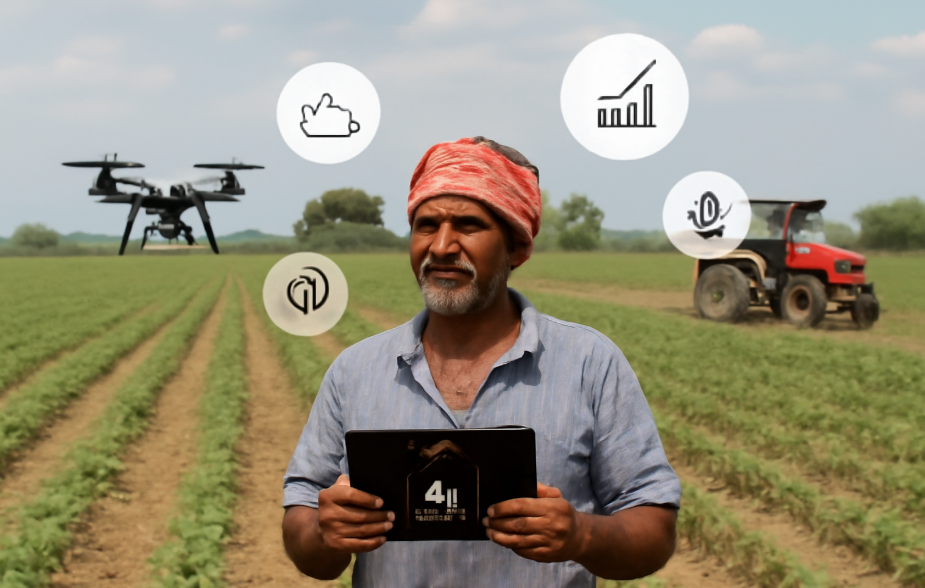
Enter Artificial Intelligence (AI), a transformative tool that is changing the agricultural landscape. From improving crop yield to enhancing resource efficiency, AI is helping farmers make better decisions with data-driven insights.

In this blog, we will explore the real-world applications of AI in agriculture and how leading agritech companies like StarAgri are integrating AI technologies to revolutionize farming practices.

Precision Farming: Maximizing Crop Yield with Data

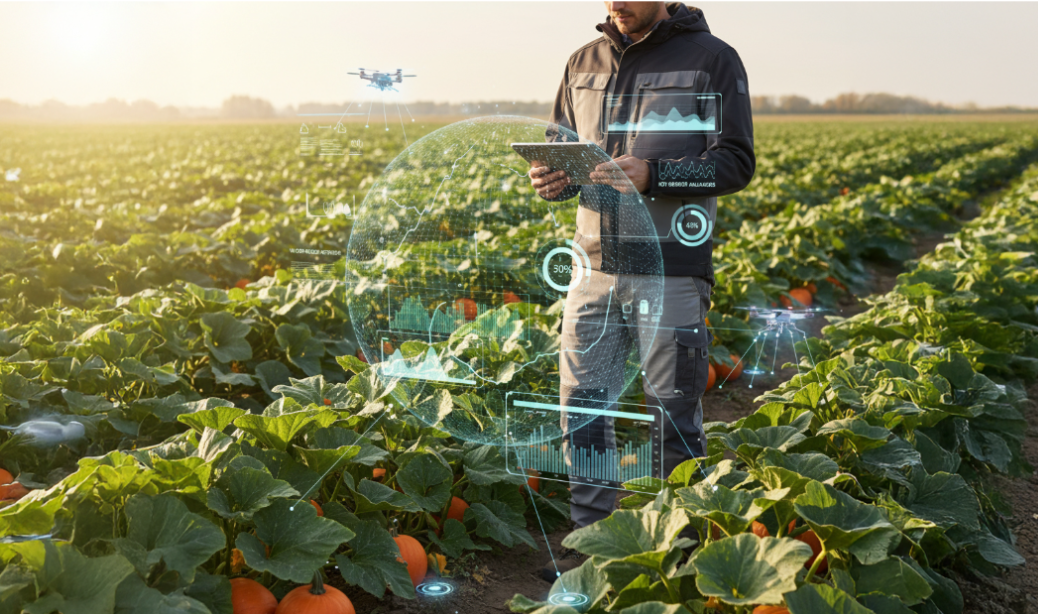
AI-driven precision farming has emerged as a game-changer in agriculture. By using data from sensors, drones, and weather forecasts, AI helps farmers monitor soil conditions, optimize irrigation, and apply fertilizers and pesticides more efficiently.

This technology ensures that water, fertilizers, and other resources are used optimally, reducing waste and boosting crop health. AI-powered solutions are helping farmers across India make informed decisions, leading to better yields.

AI-Powered Drones for Crop Monitoring

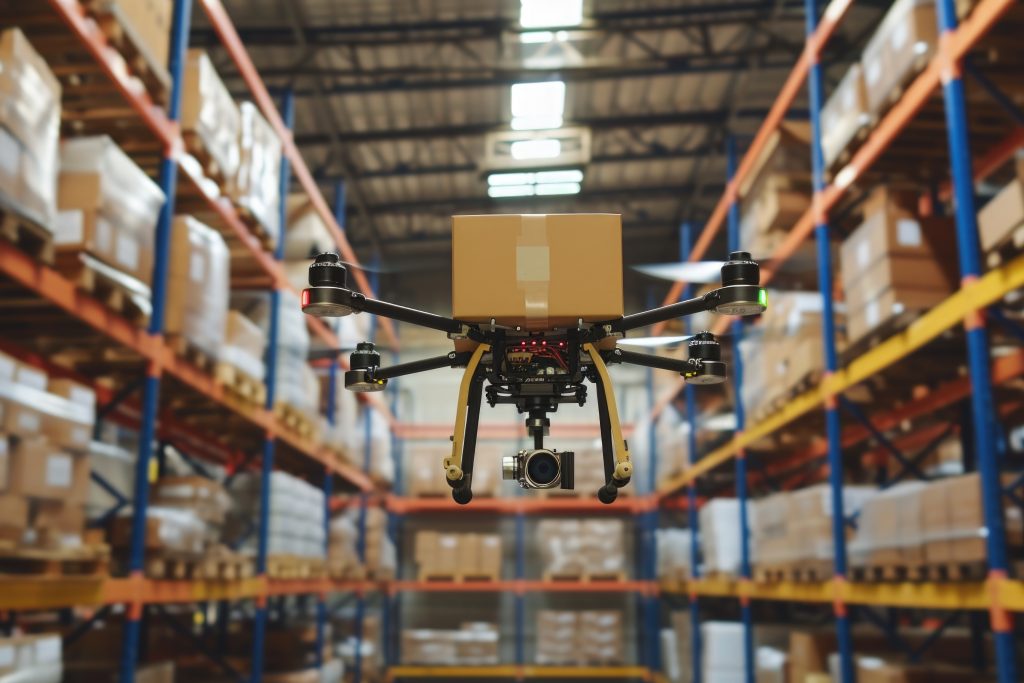
Drones equipped with AI are providing farmers with high-resolution images and real-time data of their crops. These drones can identify issues like diseases, pest infestations, and nutrient deficiencies from above, enabling early detection and intervention. This prevents crop loss and reduces the need for harmful chemicals.

For instance, StarAgri uses satellite imagery to monitor crop health, allowing farmers to address issues proactively and minimize the risk of widespread damage.

Smart Irrigation: Saving Water, Boosting Efficiency

With India’s water resources becoming increasingly scarce, efficient irrigation is more critical than ever. AI-powered smart irrigation systems use data from sensors to monitor soil moisture levels and weather conditions in real-time. By delivering water only when necessary, these systems reduce water wastage, leading to cost savings and improved crop health.

AI ensures that farmers in water-scarce regions of India can still thrive without overusing precious resources.

Pest and Disease Management: Early Detection

AI tools analyze visual data from crops and compare them with vast databases to detect pests, diseases, or even nutrient deficiencies early on. By identifying issues before they spread, AI helps farmers take immediate action, preventing crop loss and minimizing the use of pesticides.

Predictive Analytics: Forecasting Crop Yields

AI is also being used to forecast crop yields based on a variety of factors such as weather patterns, soil conditions, and historical data. These predictions allow farmers to plan ahead, manage their resources efficiently, and avoid market fluctuations.

AI-driven predictive models ensure farmers know when to harvest and how to price their produce, thereby securing higher profits.

Livestock Monitoring: Enhancing Animal Health

AI isn’t just transforming crop farming, it’s also improving livestock management. By monitoring the health, behavior, and productivity of livestock, AI systems help farmers ensure animal well-being and increase productivity. Through wearable sensors and AI algorithms, livestock conditions are tracked in real time, enabling early intervention when health issues arise.

In India, where livestock farming is a vital part of rural agriculture, AI provides valuable insights into animal welfare, reducing losses and improving productivity.
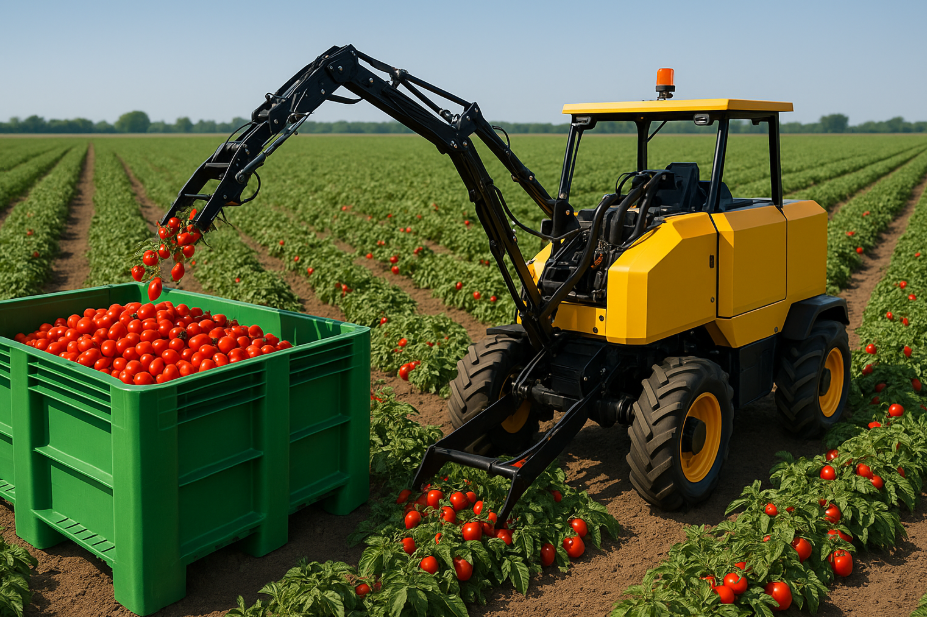
applications of ai in indian agriculture

Automated Harvesting: Reducing Labor Costs

Labor shortages are a significant challenge in Indian agriculture. AI-powered robotic harvesters are addressing this issue by automating the crop collection process. These robots can detect ripe crops and harvest them with precision, reducing the need for manual labor and improving the efficiency of harvests.

The use of AI in harvesting is an innovation that promises to make farming more efficient and cost-effective.

AI in Supply Chain Management: Improving Efficiency

The agricultural supply chain in India is often plagued by inefficiencies. However, AI can optimize supply chain management by improving logistics, reducing spoilage, and tracking inventory in real-time. AI-based systems ensure that fresh produce reaches the market quickly and in the best condition, benefiting both farmers and consumers.

Companies like StarAgri are using AI to streamline their agricultural supply chains, ensuring farmers can maximize profits by reaching the market at the right time.

Real-Time Weather Forecasting: Managing Uncertainty

Weather plays a crucial role in farming, and AI-powered weather forecasting systems are helping farmers prepare for extreme weather events like floods, droughts, and storms. By providing hyper-local, real-time forecasts, AI helps farmers plan their crop cycles, irrigation schedules, and harvest times to mitigate the impacts of adverse weather conditions.

Farmers can make informed decisions about crop management and irrigation, thereby reducing the risk of crop loss due to unpredictable weather.

AI-Driven Market Price Forecasting: Maximizing Profits

Market prices fluctuate based on demand, supply, and other external factors. AI algorithms track these variables and forecast market prices for various crops. This allows farmers to decide when to sell their produce and how to price it for maximum profit. By staying ahead of market trends, AI helps farmers avoid price volatility and ensures they get the best returns.

StarAgri is one of the top agritech companies in India using AI to provide farmers with real-time price forecasting, helping them make strategic decisions about when to market their produce.

Conclusion: The Future of Indian Agriculture is AI-Driven

AI has immense potential to transform the Indian agriculture sector, addressing the long-standing challenges faced by farmers. From precision farming and smart irrigation to livestock management and market forecasting, the real-world applications of AI in Indian agriculture are helping farmers increase productivity, reduce costs, and become more sustainable.

StarAgri is at the forefront of this revolution, delivering innovative AI-driven solutions to farmers across India. By embracing AI, Indian farmers are not just adapting to the future—they’re actively shaping it.

FAQs

1. How is AI helping farmers in India?

AI helps farmers make better decisions by analyzing data related to weather, soil health, crop conditions, and market trends. It improves productivity, reduces input costs, and helps farmers manage risks more effectively.

2. What are the benefits of AI-powered precision farming?

Precision farming uses AI, sensors, and data analytics to optimize irrigation, fertilizer application, and crop management. This leads to higher crop yields, reduced resource wastage, and improved farm profitability.

3. Can AI detect crop diseases and pest infestations?

Yes. AI-powered tools can analyze images from drones, satellites, and smartphones to identify diseases, pests, and nutrient deficiencies at an early stage, allowing farmers to take timely corrective action and minimize crop losses.

4. How does AI improve agricultural supply chains?

AI enhances supply chain efficiency by forecasting demand, tracking inventory, optimizing logistics, and reducing post-harvest losses. This helps farmers and agribusinesses deliver produce to markets faster and more efficiently.

5. How is StarAgri using AI in agriculture?

StarAgri leverages AI through technologies such as satellite-based crop monitoring, weather intelligence, market forecasting, and data-driven farm analytics. These solutions help farmers improve productivity, manage risks, and make informed agricultural decisions.
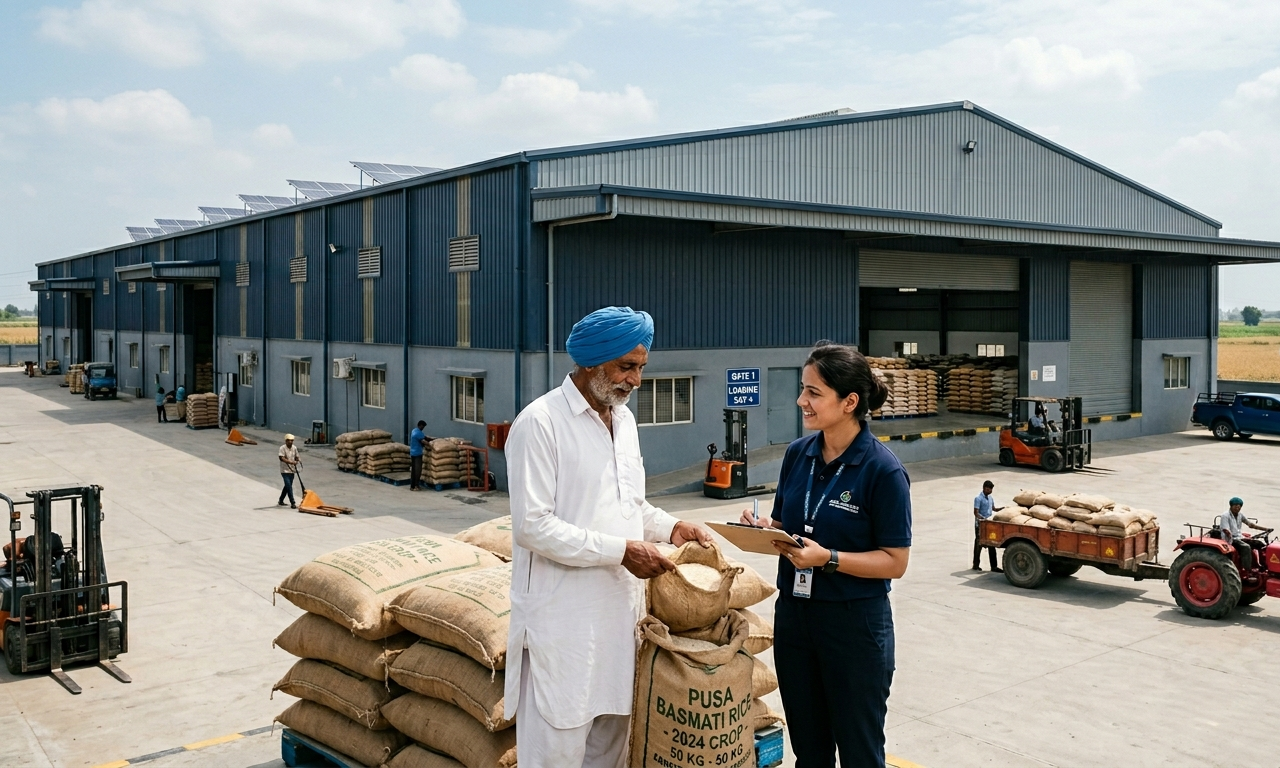
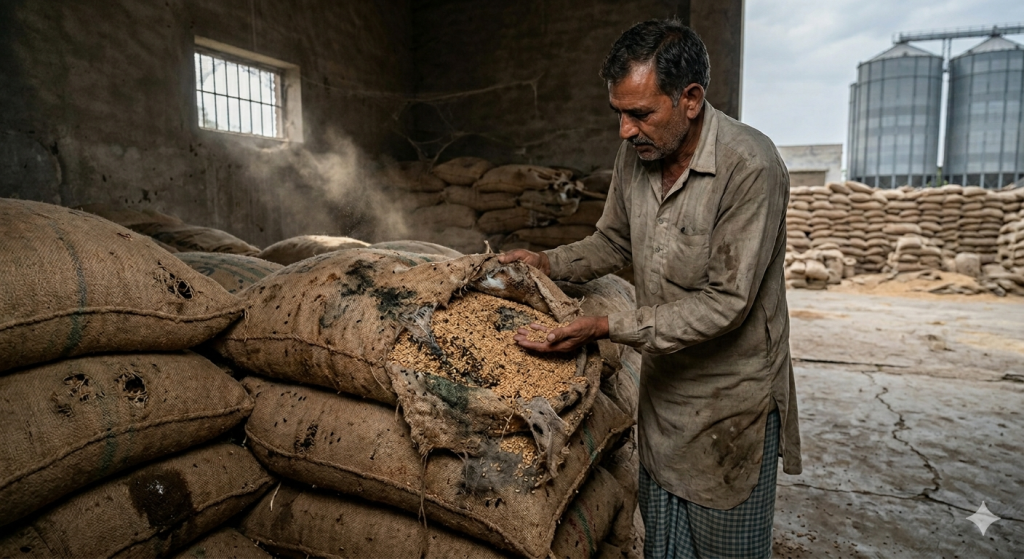
Every year, Indian farmers produce millions of tonnes of food grains, pulses, oilseeds, and other agricultural commodities. But harvesting a crop is only half the battle. What happens after harvest can have a significant impact on both farmer incomes and the country’s food security.

Imagine a farmer harvesting a bumper crop, only to be forced into selling it immediately because there is no reliable storage facility nearby. With markets flooded during harvest season, prices often fall, leaving farmers with little choice but to accept lower returns.
This is where agricultural warehousing becomes essential.

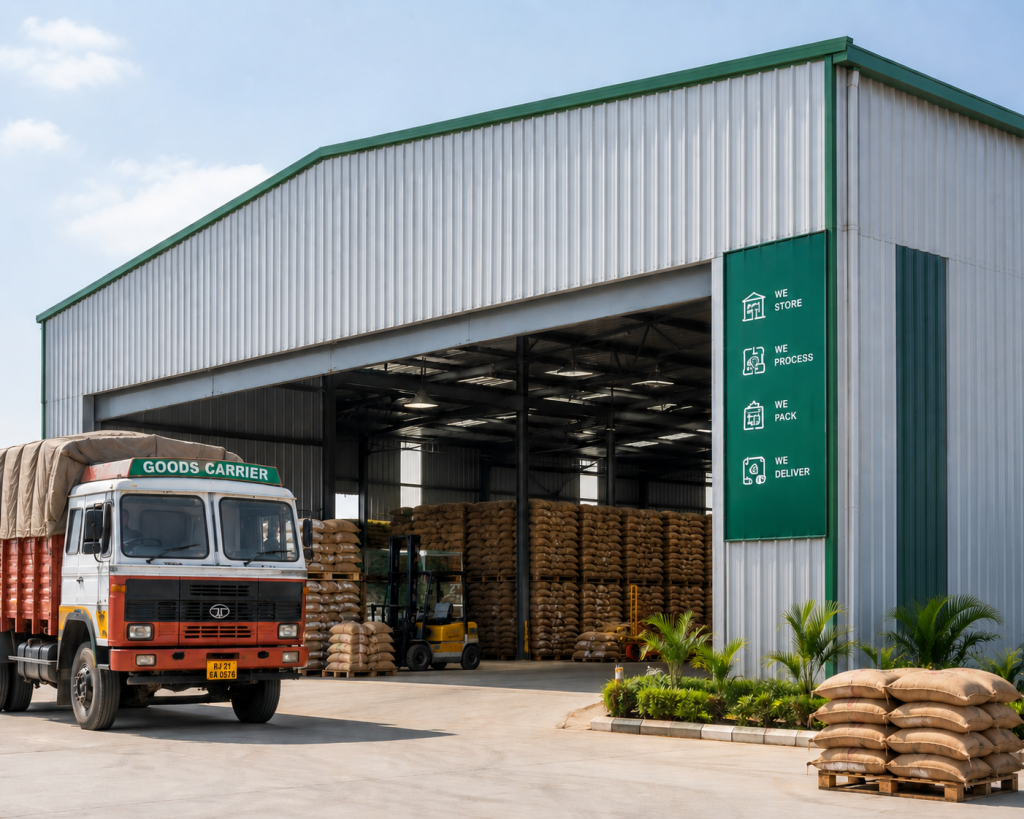
Far more than just storage spaces, modern warehouses have evolved into critical infrastructure that helps preserve commodity quality, reduce post-harvest losses, support financing, and improve supply chain efficiency. As India’s agricultural sector continues to modernise, agricultural warehousing is emerging as one of the strongest pillars supporting growth across the value chain.

Why agricultural warehousing matters today

Agriculture remains one of India’s most important sectors, contributing significantly to employment and food security. According to the Ministry of Agriculture & Farmers Welfare, India’s total foodgrain production for the 2025–2026 agricultural year is estimated at a record-breaking 376.56 million metric tonnes (MMT). As production continues to grow, so does the need for reliable storage infrastructure.

agricultural warehousing

Without proper agricultural warehousing, farmers and supply chain participants face several challenges:

  • Quality deterioration during storage
  • Pest and moisture-related losses
  • Limited market flexibility
  • Pressure to sell immediately after harvest
  • Reduced profitability across the value chain

Scientific warehousing addresses these challenges by creating a safe and structured environment for commodity storage.

Moving beyond simple storage

Today’s agricultural warehousing facilities do much more than simply store commodities. Modern warehouses help ensure that commodities remain safe, traceable, and market-ready throughout storage.

Some of the key functions include:

  • Quality assessment and grading
  • Inventory tracking and management
  • Scientific pest control measures
  • Technology-enabled monitoring systems
  • Improved traceability and transparency

Together, these capabilities help preserve commodity quality while strengthening confidence across the agricultural supply chain.

Helping farmers avoid distress sales

One of the biggest advantages of agricultural warehousing is the flexibility it provides farmers.

During harvest season, commodity prices often soften because of increased supply. Farmers who lack storage facilities may be compelled to sell immediately, regardless of market conditions.

By storing produce in a warehouse, farmers can wait for more favourable prices before selling. This reduces pressure to make distress sales and creates opportunities for better price realisation.

In many cases, warehousing also enables access to finance against stored commodities, providing liquidity while allowing farmers to retain ownership of their produce.

Strengthening India’s agricultural supply chain

India’s agricultural value chain is becoming increasingly organised and technology-driven. From procurement and processing to exports and food manufacturing, every stage depends on efficient storage and movement of commodities. Agricultural warehousing serves as the backbone of this ecosystem by ensuring that commodities remain available year-round.

According to the Warehousing Development and Regulatory Authority (WDRA), the volume of commodities stored under the regulated warehousing ecosystem continues to grow, reflecting increasing trust in scientific storage infrastructure. As India’s food processing sector expands and export opportunities increase, the demand for modern warehousing is expected to grow significantly in the coming years.

How StarAgri supports agricultural warehousing

As one of India’s leading agribusiness infrastructure companies, StarAgri has been at the forefront of strengthening agricultural supply chains through warehousing and collateral management solutions.

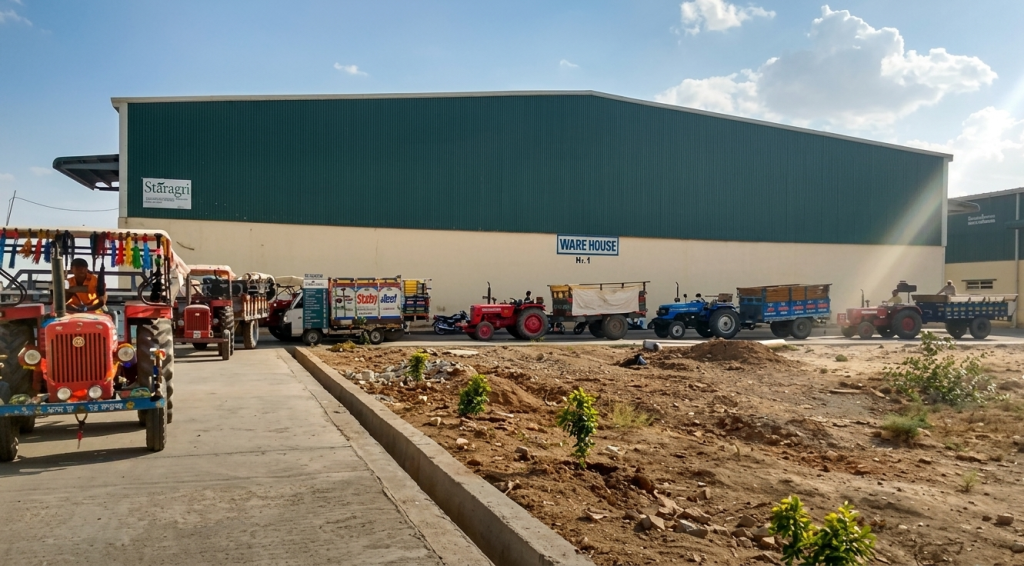
The company operates an extensive network of 2,200+ warehouses across more than 380 locations in 19 Indian states and provides a range of services to support participants throughout the agricultural value chain.

StarAgri’s offerings include:

  • Scientific agricultural warehousing
  • Collateral management services
  • Commodity storage and monitoring
  • Quality assessment and certification
  • Inventory management solutions
  • Technology-enabled warehouse operations

By integrating warehousing with financing, risk management, and market linkages, StarAgri helps create a more efficient ecosystem for farmers, traders, processors, and financial institutions.

The future of agricultural warehousing in India

The future of Indian agriculture will depend not only on how much is produced but also on how effectively it is stored, financed, and distributed. Government initiatives, increasing private investment, digital warehouse receipts, and technology adoption are all driving the evolution of agricultural warehousing.

As farmers seek better returns, financial institutions expand commodity-based lending, and agribusinesses demand greater supply chain efficiency, warehousing will continue to play an increasingly important role.

Agricultural warehousing is gradually turning to preserving value, improving market access, enabling finance, and building a stronger agricultural ecosystem for the future. For a country as agriculturally significant as India, investing in agricultural warehousing is an essential step toward creating a more resilient and prosperous farming economy.

FAQs

  • What is agricultural warehousing?
    Agricultural warehousing refers to the scientific storage of agricultural commodities in facilities designed to preserve quality and reduce post-harvest losses.
  • Why is agricultural warehousing important for farmers?
    It helps farmers safely store produce, avoid distress sales, and potentially secure better prices by selling when market conditions are favourable.
  • How does agricultural warehousing reduce post-harvest losses?
    Warehouses provide controlled storage conditions, pest management, quality monitoring, and inventory management that protect commodities from spoilage and damage.
  • Can farmers get loans against stored commodities?
    Yes. Commodities stored in approved warehouses can often be used to access warehouse receipt financing or commodity-backed loans.
  • What services does StarAgri provide?
    StarAgri offers agricultural warehousing, collateral management, commodity storage, quality assessment, inventory management, and technology-enabled supply chain solutions.


In today’s fast-changing food economy, the journey from farm to table is no longer simple. Farmers grow high-quality produce, but getting it safely and quickly to distant urban markets or even across borders can be a major challenge.

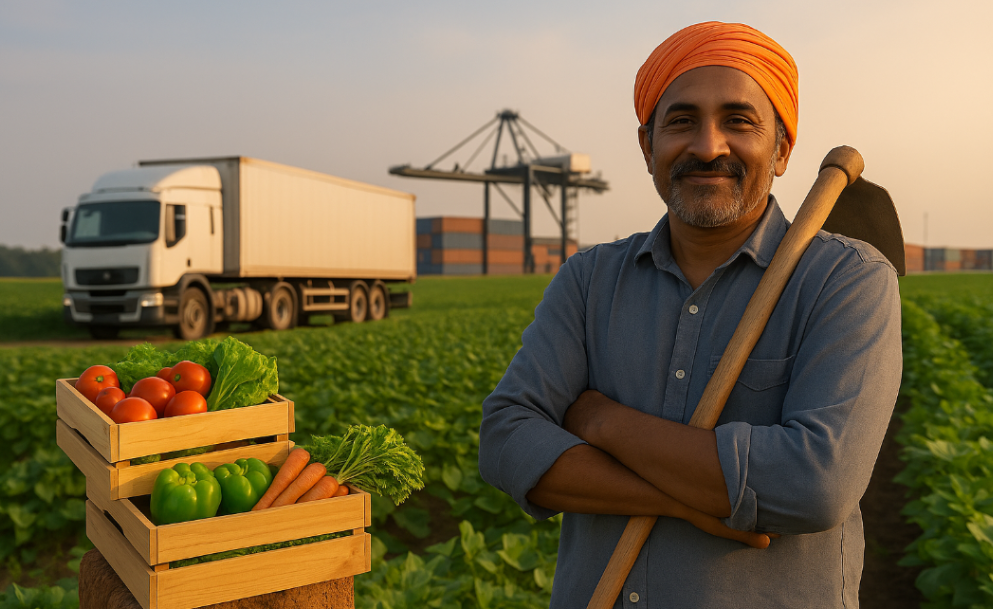
This is where logistics partnerships make a real difference. By working with experienced logistics providers and using modern agri-logistics solutions, farmers can connect directly with urban and global markets, reduce post-harvest waste, and secure better prices for their produce.

The Significance of Effective Logistics in Agriculture

For farmers, good logistics are as important as good soils. Logistics is composed of everything from transport and storage, to packing and delivery. Even the best grown produce can spoil before the customer receives it without an efficient logistics network.

In India, post-harvest losses due to poor logistics and lack of storage are estimated to cost billions, annually. When crops are delayed or not stored optimally, freshness and value are lost. If logistics are efficient, produce can get to market quickly, allowing farmers to maintain high quality and trust with the customer.

What Are Logistics Partnerships?

Logistics partnerships are relationships between farmers (or cooperatives) and organizations that manage logistics in terms of movement, storage, and sale of farm produce. Farmers can then focus on crop production and rely on the experts to handle the delivery side of business.

A few of the more commonly seen logistics partnerships in agriculture include:

  • Third-Party Logistics (3PL) Providers: Organizations that store, pack, and ship for farmers.
  • Farmer Cooperatives: Groups of farmers who share transportation and storage.
  • Public-Private Partnerships (PPPs): Partnerships between private companies and the government to enhance the logistics in rural areas.
  • Tech Startups: Platforms that connect farmers and transporters and urban buyers.

These partnerships lower transport costs and cut losses.

Connecting Farmers to Urban Markets

Urban centers are in need of fresh and local food. Yet small producers usually do not have the capacity to get their fresh food products to grocery retailers, restaurants, and online grocery markets in large cities. Logistics partnerships exist to fill this gap.

Here’s how:

  • Cold chain systems keep food fresh while travelling long distances.
  • Warehousing and distribution facilities optimise supply processes, establishing systems to ensure the food is delivered to grocery retailers on time.
  • Last-mile delivery networks deliver food products to urban grocery retailers or directly to homes.
  • Digital marketplaces allow farmers to accept direct food orders from urban areas.

For instance, StarAgri partners with farmers and agri-businesses to provide integrated logistics services such as warehousing, commodity handling and quality testing for small farmers to minimise their spoilage, and efficiently sell their products directly to buyers in larger urban cities.

Expanding Access to Global Markets

With a capable logistics partner, farmers can go global. Exporting farm products requires expertise in packaging standards, refrigerated storage, customs procedures, and international shipping routes. This can all be confusing for most farmers, but an experienced logistics partner can help simplify this task.

By partnering with experts such as StarAgri, farmers will:

  • Have access to international freight and export logistics support.
  • Have support in complying with global food safety and certification standards.
  • Utilize sophisticated tracking systems in which the shipment can be tracked, even in real time.

These types of partnerships help Indian farmers sell product to markets in Asia, Europe and the Middle East, providing increased income and rural development.

The Role of Technology in Modern Agricultural Logistics

logistics partnerships

Technology is a powerful enabler for logistics in agriculture. When crops leave the field, right to their end point, technology provides digital tools to enhance efficiency at each step in the process.

Examples include: 

  • IoT sensors and GPS tracking to monitor conditions such as temperature, humidity, and location. 
  • Blockchain technology provides a platform for transparency and traceability along the supply chain. 
  • Mobile applications connecting farmers to buyers, truck operators, and warehouses in real-time.

This suite of advanced digital solutions is moving the needle toward efficiency in the coordination of agricultural logistics, providing quality control, safe storage, and transportation of goods. Improved visibility along the supply chain provides farmers with informed decisions to sell their crop at the most ideal time and to the right buyer.

Benefits of Logistics Partnerships for Farmers

Logistics partnerships offer multiple advantages beyond transport. They bring stability, trust, and long-term growth opportunities. Here’s how farmers benefit:

  • Reduced costs: Shared transportation and storage lowers costs.
  • Expanded priority market access: Farmers can sell into cities, supermarkets, and export buyers. 
  • Improved income: Better market access results in higher income and more predictable revenues.
  • Better quality preservation: If handled and stored correctly, crop quality should be preserved.
  • Environmental sustainability: The more efficient land use and logistics partnership will reduce food waste and environmental degradation. 

Challenges and Solutions

Despite advances, we still have numerous problems that inhibit the broader viability of a better agriculture logistics ecosystem.

  • Infrastructure Issues: In many rural areas, there are poor roads and cold chain capabilities.
  • Lack of Information: Some farmers do not have experience with logistics systems or digital platforms.
  • Funding issues: Cold chains and warehousing require investments.

However, there are potential solutions available:

Government programs and subsidies for rural logistics help address service gaps.

Training and education programs are intended to support farmers in adopting new technologies.

Public-private partnerships, such as StarAgri’s joint ventures, assemble investment and expertise to develop long-term solutions.

The Future of Agri-Logistics: Building a Resilient Food Supply Chain

The future of farming relies on innovation, sustainability, and collaboration. Immediate, transformative technologies such as AI-enabled route planning, predictive demand forecasting, and green logistics have completely altered the way food moves from farm to fork. The increased use of online grocery and meal services, demand for exports in a variety of markets, and consumers’ greater awareness all indicate that logistics will remain a key growth engine for Indian agriculture in the future. StarAgri is at the forefront of this transformation by leveraging technology, infrastructure, and partnerships with farmers to create a clear, productive agri-logistics ecosystem that benefits farmers and consumers alike. 

Conclusion

Efficient logistics are the invisible engine powering modern agriculture. Through strong logistics partnerships, farmers can overcome barriers of distance, infrastructure, and perishability — and reach urban and global buyers like never before.

As a trusted agritech solutions provider, StarAgri continues to empower farmers with world-class logistics, warehousing, and market linkages. By connecting rural India to cities and the world, StarAgri is helping build a stronger, more sustainable food supply chain — where everyone, from farmer to consumer, benefits.

FAQ’s

  1. What are logistics partnerships in agriculture?
    They are collaborations between farmers and companies that handle storage, transport, and sale of produce, helping farmers reach bigger markets efficiently.
  2. Why are logistics important for farmers?
    Good logistics ensure that crops are delivered fresh, reduce post-harvest losses, and help farmers earn better prices.
  3. How do logistics partnerships help small farmers?
    They allow small farmers to share transport and storage facilities, lower costs, and connect directly with urban and global buyers.
  4. How does technology improve agricultural logistics?
    Tools like mobile apps, GPS tracking, and sensors make it easier to monitor storage, manage deliveries, and maintain product quality.
  5. How does StarAgri support farmers in logistics?
    StarAgri helps farmers with warehousing, transportation, and quality testing, ensuring their produce reaches urban and global markets efficiently.

Disclaimer

The content published on this blog is provided solely for informational and educational purposes and is not intended as professional or legal advice. While we strive to ensure the accuracy and reliability of the information presented, StarAgri make no representations or warranties of any kind, express or implied, about the completeness, accuracy, suitability, or availability with respect to the blog content or the information, products, services, or related graphics contained in the blog for any purpose. Any reliance you place on such information is therefore strictly at your own risk. Readers are encouraged to consult qualified agricultural experts, agronomists, or relevant professionals before making any decisions based on the information provided herein. StarAgri, its authors, contributors, and affiliates shall not be held liable for any loss or damage, including without limitation, indirect or consequential loss or damage, or any loss or damage whatsoever arising from reliance on information contained in this blog. Through this blog, you may be able to link to other websites that are not under the control of StarAgri. We have no control over the nature, content, and availability of those sites and inclusion of any links does not necessarily imply a recommendation or endorsement of the views expressed within them. We reserve the right to modify, update, or remove blog content at any time without prior notice.


As cities grow, ensuring a steady supply of fresh, nutritious food becomes more challenging. Urban food security is a pressing concern, with rising populations, limited land, and stretched supply chains creating gaps in access. This is where an Agritech company steps in, transforming the way food is grown, distributed, and consumed in urban environments. From smart farming in urban areas to innovative Agritech solutions for urban farmers, technology is redefining urban agriculture and helping build resilient and efficient urban food systems.

Agritech’s Role in Feeding Growing Cities

Urban food security refers to the ability of city populations to access sufficient, safe, and nutritious food. Unlike rural areas, cities face unique hurdles such as limited agricultural space, high population density, and reliance on complex supply chains. Climate change and environmental stressors further complicate this challenge. Therefore, creating resilient and efficient systems is essential.

How Agritech is Revolutionizing Urban Agriculture

Modern Agritech solutions for urban farmers are not just about growing food; they are about transforming entire urban ecosystems. These solutions include:

  • Vertical farming: Using stacked layers to maximize limited space. 
  • AI-driven crop management: Predicting growth patterns, pest threats, and harvest times.

By implementing these techniques, urban farmers can achieve higher yields, reduce waste, and ensure a consistent food supply, directly contributing to urban food security.

Smart Farming in Urban Areas

Smart farming in urban areas leverages technology to make agriculture more precise and efficient. IoT devices, drones, sensors, and data analytics allow urban farmers to monitor soil health, track crop growth, and manage resources in real-time. For instance, automated irrigation systems reduce water wastage, while AI-driven insights help prevent diseases before they affect yield. These tools empower urban farmers to produce more with less, creating resilient and adaptive urban food ecosystems.

Building Efficient Urban Food Systems

Creating efficient urban food systems is crucial for long-term urban food security. These systems focus on reducing carbon footprints, recycling nutrients, and integrating renewable energy. Eco-friendly farming methods, such as rooftop gardens, community farms, and controlled environment agriculture, help urban populations access fresh produce, benefit economically, and preserve the environment.

Real-world Examples of Agritech Success in Cities

Several cities around the world are showcasing the power of Agritech solutions for urban farmers. For instance:

  • Singapore has embraced vertical farming to grow leafy greens locally.
  • Urban startups in New York and Tokyo are using hydroponics and AI to ensure year-round production.
  • European cities are integrating smart greenhouses to optimize water and energy usage.

These initiatives demonstrate how Agritech solutions for urban farmers can dramatically improve urban food availability while reducing dependency on distant supply chains.

Challenges and Considerations

Despite the promise, there are challenges to implementing in urban settings:

  • High initial setup costs and technological expertise required.
  • Regulatory hurdles and zoning restrictions.
  • Acceptance by communities and adaptation to new farming practices.

However, with proper policy support, training, and investment, these barriers can be overcome, paving the way for widespread adoption of smart farming in urban areas.

Conclusion

The future of urban food security lies in technology-driven solutions. From smart farming in urban areas to building efficient and resilient urban food systems, an Agritech company plays a key role in driving productivity and sustainability. Agritech solutions for urban farmers are transforming urban agriculture, ensuring healthier, more secure food systems for tomorrow.

FAQs

  1. What is the role of Agritech company in urban food security?
    It improves urban food security by optimizing food production, reducing waste, and enabling efficient, tech-driven farming practices.
  2. How does smart farming in urban areas work?
    It uses IoT devices, AI analytics, and automated systems to monitor crops, conserve resources, and maximize yield in limited spaces.
  3. Which Agritech solutions are best for urban farmers?
    Vertical farming, hydroponics, aquaponics, and AI-driven crop management are highly effective for urban agriculture.
  4. Can Agritech company make urban food systems sustainable?
    Yes. By integrating renewable energy, efficient water use, and eco-friendly farming practices, it contributes to resilient and efficient urban food systems.
  5. What are the challenges of implementing smart farming in urban areas?
    Challenges include high costs, technical expertise requirements, regulatory barriers, and community acceptance.

Disclaimer

The content published on this blog is provided solely for informational and educational purposes and is not intended as professional or legal advice. While we strive to ensure the accuracy and reliability of the information presented, StarAgri make no representations or warranties of any kind, express or implied, about the completeness, accuracy, suitability, or availability with respect to the blog content or the information, products, services, or related graphics contained in the blog for any purpose. Any reliance you place on such information is therefore strictly at your own risk. Readers are encouraged to consult qualified agricultural experts, agronomists, or relevant professionals before making any decisions based on the information provided herein. StarAgri, its authors, contributors, and affiliates shall not be held liable for any loss or damage, including without limitation, indirect or consequential loss or damage, or any loss or damage whatsoever arising from reliance on information contained in this blog. Through this blog, you may be able to link to other websites that are not under the control of StarAgri. We have no control over the nature, content, and availability of those sites and inclusion of any links does not necessarily imply a recommendation or endorsement of the views expressed within them. We reserve the right to modify, update, or remove blog content at any time without prior notice.


Once the harvest is done and the produce reaches a warehouse, it often feels like the job is complete.

The crop is safe, protected from weather and spoilage, and ready for sale.

But if you pause for a moment, there’s an interesting question here: Is that stored commodity just sitting there… or can it actually do more?

Because in today’s agricultural ecosystem, storage isn’t just about holding stock. Increasingly, it’s also about unlocking value from that stock.

And that’s where collateral management comes into the picture.

Storage Solves One Problem. Liquidity Is Another.

Warehousing has always been an important part of agriculture. It helps preserve quality, reduce losses, and manage supply across seasons.

But even with proper storage in place, one challenge remains – access to timely funds.

For many farmers and traders, the situation looks something like this:

  • Harvest arrives, and supply in the market increases
  • Prices are relatively low during this period
  • Immediate expenses like repayments, operations, and procurement still need to be managed

This often leads to early selling, even when waiting could result in better prices.

At a broader level, the scale of agriculture makes this even more relevant:

  • India produced 357 million tonnes in 2025
  • At the same time, 78 million tonnes of food are wasted in India every year due to inefficiencies

So while production is strong, the way commodities are managed after harvest still has a big impact on value realisation.

So, What Changes with Collateral Management?

Collateral management essentially allows stored commodities to be used as a basis for accessing finance.

Instead of selling immediately, a farmer or trader can:

  • Store the commodity in a verified warehouse
  • Have it assessed and documented properly
  • Use it to access credit from financial institutions

This changes the role of storage quite significantly. The commodity becomes something that can support liquidity when it’s needed.

Some of the practical benefits include:

  • The ability to wait for better market prices
  • Improved cash flow management during key cycles
  • More structured and secure lending for financial institutions

It’s a fairly simple shift in concept, but it has a meaningful impact on how agricultural trade functions.

Why This Is Becoming More Relevant Now

Agriculture today is becoming more structured than before.

There is increasing focus on:

  • Organized warehousing
  • Transparent supply chains
  • Better integration between trade and finance

As these elements come together, the need to connect physical commodities with financial systems becomes more important.

Collateral management sits right at this intersection.

It helps bring a level of structure and confidence into the system, both for borrowers and lenders, by ensuring that the underlying asset (the commodity) is properly managed.

The Role of Technology in Making This Work

One reason collateral management is gaining more traction now is the use of technology.

Earlier, risks around storage quality, stock verification, and monitoring made lenders cautious.

Today, that’s changing with systems such as:

  • Digital inventory tracking, providing real-time visibility of stock
  • IoT-based monitoring, helping track storage conditions
  • Structured audit and reporting systems, ensuring consistency
  • Risk management frameworks, reducing uncertainty for lenders

These tools make the entire process more transparent and reliable. They also help scale the model across larger geographies and volumes.

How StarAgri Supports Collateral Management

As this ecosystem evolves, companies like StarAgri play a key role in making on-the-ground collateral management practical and dependable.

StarAgri’s approach combines infrastructure, processes, and financial enablement, ensuring that stored commodities can be effectively used within formal financial systems.

Its offerings include:

  • Scientific Warehousing Infrastructure: Warehouses are managed using standardised storage practices designed to maintain quality across different commodities and conditions.
  • End-to-End Collateral Management Services: This includes warehouse onboarding, stock verification, documentation, and ongoing monitoring, ensuring that commodities are properly assessed and recorded.
  • Inventory Monitoring and Risk Management: With structured systems in place, stock is continuously tracked and managed, providing visibility and reducing risk for lenders.
  • Support for Warehouse Receipt Financing: By enabling warehouse receipts to serve as collateral, StarAgri helps farmers, traders, and businesses access working capital without an immediate sale.
  • Process-Driven Operations and Compliance: Standard operating procedures and audit frameworks ensure consistency, transparency, and trust across all stakeholders.

Taken together, these services help create a system where storage is also financially meaningful.

Looking Ahead

As agriculture continues to evolve, the focus is gradually shifting from just production to how value is managed after production. Collateral management is a part of that shift. It doesn’t change how crops are grown. But it does change how they are used, financed, and monetised.

And as this system becomes more structured, the role of integrated players like StarAgri becomes increasingly important, bringing together storage, monitoring, and financial enablement to make the entire process more reliable and accessible.

FAQs

  1. What is collateral management in agriculture?
    Collateral management is the process of storing commodities in verified warehouses so they can be used as security to access loans.
  2. How does collateral management benefit farmers and traders?
    It helps them access funds without selling immediately, allowing better price realisation and improved cash flow management.
  3. What is warehouse receipt financing?
    It is a financing method where loans are provided against warehouse receipts issued for stored commodities.
  4. How does technology improve collateral management?
    Digital tracking, IoT monitoring, and real-time reporting improve transparency, reduce risks, and ensure better inventory control.
  5. How does StarAgri support collateral management?
    StarAgri provides scientific storage, inventory monitoring, risk management, and enables access to finance through structured collateral management services.

Disclaimer

The content published on this blog is provided solely for informational and educational purposes and is not intended as professional or legal advice. While we strive to ensure the accuracy and reliability of the information presented, StarAgri make no representations or warranties of any kind, express or implied, about the completeness, accuracy, suitability, or availability with respect to the blog content or the information, products, services, or related graphics contained in the blog for any purpose. Any reliance you place on such information is therefore strictly at your own risk. Readers are encouraged to consult qualified agricultural experts, agronomists, or relevant professionals before making any decisions based on the information provided herein. StarAgri, its authors, contributors, and affiliates shall not be held liable for any loss or damage, including without limitation, indirect or consequential loss or damage, or any loss or damage whatsoever arising from reliance on information contained in this blog. Through this blog, you may be able to link to other websites that are not under the control of StarAgri. We have no control over the nature, content, and availability of those sites and inclusion of any links does not necessarily imply a recommendation or endorsement of the views expressed within them. We reserve the right to modify, update, or remove blog content at any time without prior notice.