Tag Archives: indian agriculture

Agriculture is the cornerstone of India’s economy, contributing around 14% to the GDP, 13% to exports, and providing livelihood to nearly half of the population. Indian farmers play a vital role in nourishing the nation, showcasing immense potential for growth and productivity. However, accessing financial resources can often be challenging. This is where collateral management becomes a key enabler, acting as a bridge between farmers and financial institutions, ensuring seamless access to agri-finance. Through this vital function, STARAGRI is making remarkable strides in supporting farmers, helping them unlock their full potential and achieve sustainable growth.

What is Collateral Management in Agriculture?

Collateral management deals with the protection of risk and loss by banks and financial institutions about any amounts lent. In agriculture, this is characterized as pledging physical goods such as commodity or agricultural produce against the agri finance. This ensures that lenders have a safer side in case the borrower is unable to repay. In the context of agriculture, it includes:

  • Safe storage of agri commodities in secure and certified warehouses.
  • Quality and quantity checks to ensure fair valuation.
  • Regular monitoring of the stored produce to protect them.

By effective collateral management, financial institutions can trust the value of the stored commodities, making it easier for them to finance the farmers.

Challenges Indian Farmers Face Without Collateral Management

  1. Limited Financing Options: Many farmers lack the documentation or fixed assets required for traditional finance.
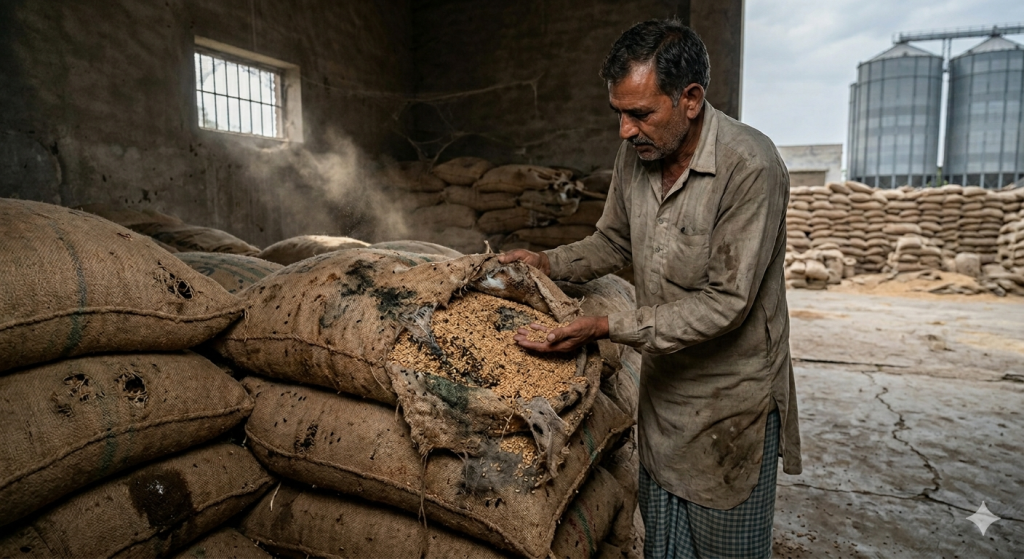
  2. Post-Harvest Losses: Without proper storage, most of the farmers lose a significant portion of their produce, reducing their bargaining power.
  3. Market Price Volatility: Selling at cheapest prices due to immediate cash needs leads to reduced income.

How Collateral Management Can Help in Agri finance?

Collateral management plays a critical role in making agri finance more accessible to farmers. Here’s how:

  1. Ensuring Fair Valuation
    When farmers store their produce for long term in well-structured and professionally managed warehouses, they get fair and transparent pricing. This ensures they do not have to undervalue their commodity to secure finance.
  2. Timely Access and Instant Credit
    Farmers can get agri finance instantly without unnecessary delays, especially during critical times like sowing and harvesting.
  3. Reduced Dependency on unofficial Sources
    With better access to formal financial options, farmers can avoid high-interest financing from moneylenders.

Examples of collateral management in agriculture

  1.       Warehouse Receipt Financing in India

Suppose a farmer harvests agri commodities but does not want to sell them immediately due to low market prices. The farmer stores their agricultural produce in a certified warehouse operated by a collateral management company. The warehouse issues a Negotiable Warehouse Receipt (NWR) that certifies the quantity and quality of the stored commodity, by using the NWR as collateral, farmers can secure short-term finance from a bank or financial institution, to get immediate liquidity.

  1.       Seasonal Lending for Cash Crop Farmers

Farmers who grow cash crops like sugarcane or cotton always face cash flow issues between harvesting. To deal with this issue farmers can harvest and store their agricultural produce in a certified warehouse. Farmers, through their collateral, receive a warehouse receipt that can be used as collateral to secure agricultural financing from a bank or financial institution. By obtaining this financing, farmers gain immediate liquidity to cover operational expenses until the next planting or harvesting cycle.

  1.       Community Warehousing for Small Farmers

Small farmers need a secure place to store agricultural commodities but lack personal capacity for professional storage, A community storage is managed by a collateral management company. Farmers can store their produce and use pooled warehouse receipts to obtain financial solutions for group activities or individual needs. The warehouse ensures quality maintenance, enabling farmers to secure better market rates.

STARAGRI’s Collateral Management & Agri Finance Services

STARAGRI has been a trusted partner to farmers, providing top class collateral management and financing solutions. Here’s how STARAGRI is revolutionizing the agri finance sector:

  1. Advanced Warehousing
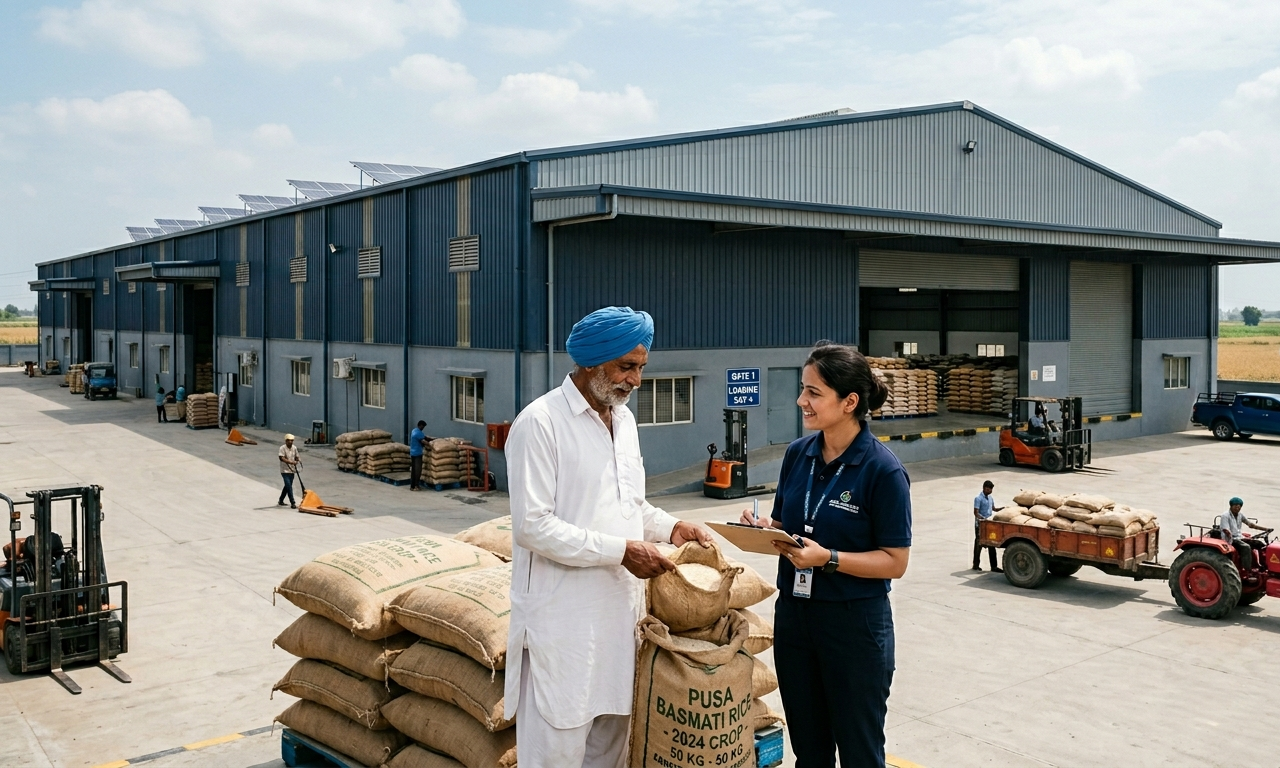
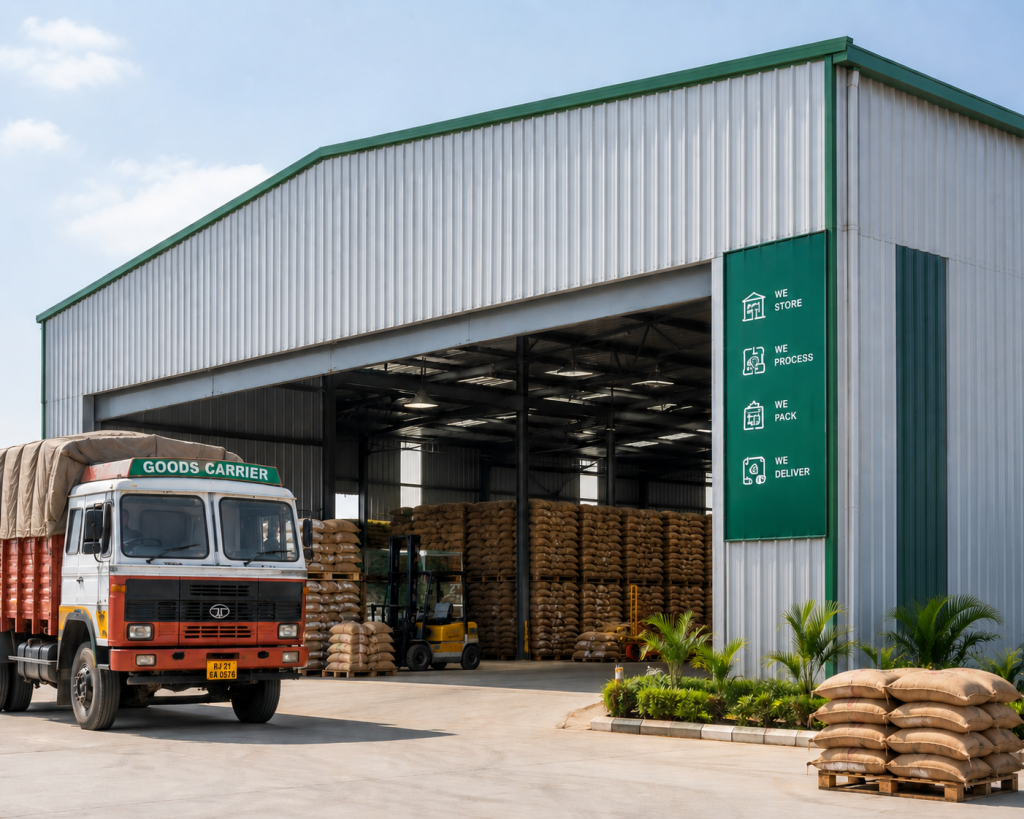
    Advanced warehousing plays a crucial role in improving collateral management by providing safe and secure storage for agricultural produce. When farmers store their commodities in STARAGRI’s scientifically designed warehouses, it ensures that the produce is protected from weather damage, pests, and theft. This secure storage increases the value of the collateral, as banks and financial institutions can have confidence in the condition of the assets. With safe storage, the risk to the financial institution is reduced, making it easier and faster for farmers to access financing based on the collateral they offer.
  2. Commodity Testing
    Accurate commodity testing ensures the quality and proper valuation of the stored agricultural produce. By conducting rigorous checks through NABL-certified labs, STARAGRI helps establish the exact value of the collateral. This proper valuation gives both the farmers and financial institutions clarity, making it easier for the farmer to secure financing. When the collateral is accurately tested and valued, it builds trust with financial institutions and reduces the risk associated with the loan process, facilitating smoother collateral management.
  3. Streamlined Collateral Management
    STARAGRI simplifies collateral management by helping farmers connect easily with banks and financial institutions. This reduces paperwork, accelerates the loan approval process, and ensures a faster turnaround time. By streamlining the process, STARAGRI makes it easier for farmers to use their stored produce as collateral and receive financing. This efficiency in collateral management leads to quicker access to funds, enabling farmers to invest in their operations without delays.
  4. End-to-End Support
    STARAGRI’s end-to-end support provides comprehensive assistance at every step of collateral management. From the secure storage of agricultural produce to the monitoring of its quality and even facilitating financing, STARAGRI ensures that the entire process is well managed. This holistic approach to collateral management guarantees that the value of the collateral is maintained throughout its storage period, and farmers receive the necessary support to unlock the value of their stored produce through financing. This full support system adds an extra layer of security, making it easier for both farmers and financial institutions to manage collateral effectively.

Benefits for Farmers

StarAgri offers advantages in services like collateral management and agri finance:

  • Safe Storage: Farmers don’t have to worry about their produce getting damaged or stolen.
  • Better Financing Terms: Secure storage and fair valuation lead to better financial deals.
  • Reduced Post-Harvest Losses: Proper management of storage facilities ensures that farmers retain the maximum value from their commodity.
  • Financial Literacy: STARAGRI educates farmers about the importance of financial planning and availing collateral for growth.

The Future of Agri Finance

With advancements in technology, the future of collateral management and agri finance looks promising. Digital tools like real-time monitoring, blockchain for transparency, and AI powered assessment systems are fast-tracking these processes which are intended to be quick and more reliable. STARAGRI is at the forefront of adopting these innovations to empower Indian farmers.

As India’s agricultural sector grows, the demand for robust collateral management services will increase. STARAGRI stands firmly to bridge the gap between farmers and financial institutions so that farming as a community can have a brighter prospect.

Conclusion

Collateral management is not just about securing the finance; it is about empowering farmers with financial stability and growth opportunities. With its expert services, STARAGRI is helping farmers access much-needed credit, reduce post-harvest losses and unlock their true potential.

If you are a farmer looking for reliable collateral management or a financial institution looking for secure solutions, STARAGRI is here to help.
Indian agriculture has long been the backbone of the nation’s economy, providing livelihoods to millions of farmers. However, challenges such as unpredictable weather patterns, resource management, labor shortages, and fluctuating crop yields have made it harder for farmers to meet the growing demands of the population.

Enter Artificial Intelligence (AI), a transformative tool that is changing the agricultural landscape. From improving crop yield to enhancing resource efficiency, AI is helping farmers make better decisions with data-driven insights.

In this blog, we will explore the real-world applications of AI in agriculture and how leading agritech companies like StarAgri are integrating AI technologies to revolutionize farming practices.

Precision Farming: Maximizing Crop Yield with Data

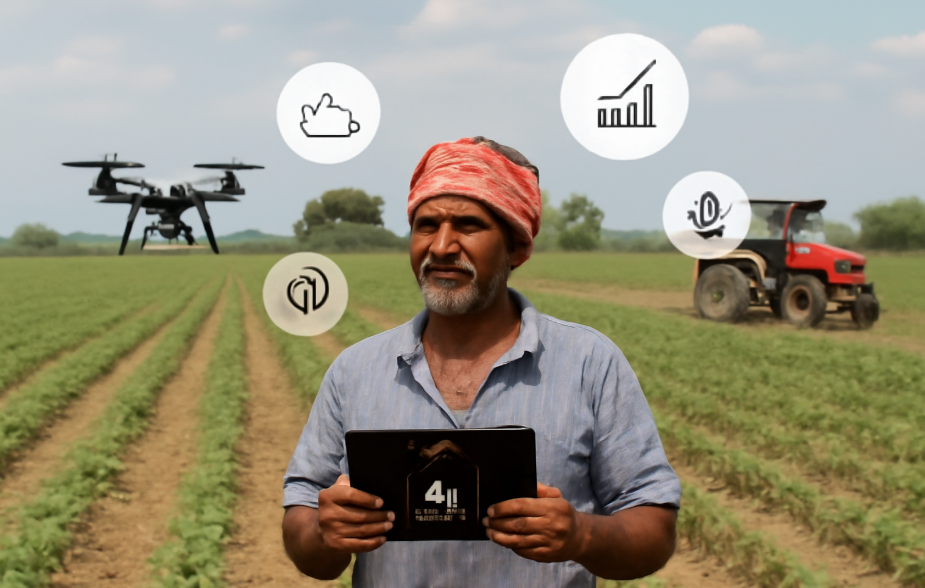
AI-driven precision farming has emerged as a game-changer in agriculture. By using data from sensors, drones, and weather forecasts, AI helps farmers monitor soil conditions, optimize irrigation, and apply fertilizers and pesticides more efficiently.

This technology ensures that water, fertilizers, and other resources are used optimally, reducing waste and boosting crop health. AI-powered solutions are helping farmers across India make informed decisions, leading to better yields.

AI-Powered Drones for Crop Monitoring

Drones equipped with AI are providing farmers with high-resolution images and real-time data of their crops. These drones can identify issues like diseases, pest infestations, and nutrient deficiencies from above, enabling early detection and intervention. This prevents crop loss and reduces the need for harmful chemicals.

For instance, StarAgri uses satellite imagery to monitor crop health, allowing farmers to address issues proactively and minimize the risk of widespread damage.

Smart Irrigation: Saving Water, Boosting Efficiency

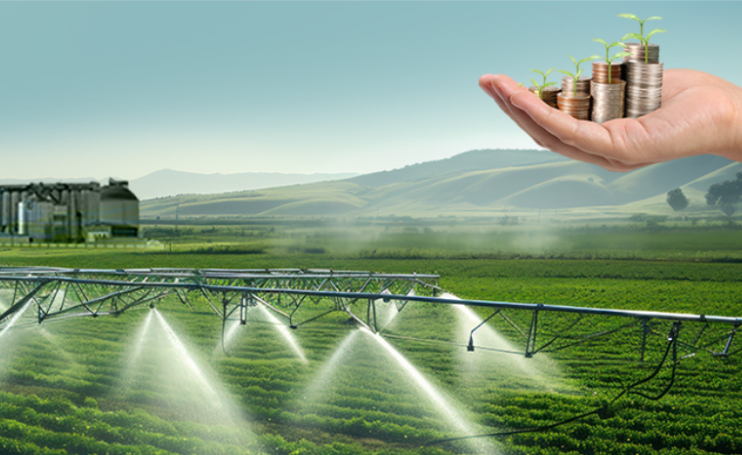
With India’s water resources becoming increasingly scarce, efficient irrigation is more critical than ever. AI-powered smart irrigation systems use data from sensors to monitor soil moisture levels and weather conditions in real-time. By delivering water only when necessary, these systems reduce water wastage, leading to cost savings and improved crop health.

AI ensures that farmers in water-scarce regions of India can still thrive without overusing precious resources.

Pest and Disease Management: Early Detection

AI tools analyze visual data from crops and compare them with vast databases to detect pests, diseases, or even nutrient deficiencies early on. By identifying issues before they spread, AI helps farmers take immediate action, preventing crop loss and minimizing the use of pesticides.

Predictive Analytics: Forecasting Crop Yields

AI is also being used to forecast crop yields based on a variety of factors such as weather patterns, soil conditions, and historical data. These predictions allow farmers to plan ahead, manage their resources efficiently, and avoid market fluctuations.

AI-driven predictive models ensure farmers know when to harvest and how to price their produce, thereby securing higher profits.

Livestock Monitoring: Enhancing Animal Health

AI isn’t just transforming crop farming, it’s also improving livestock management. By monitoring the health, behavior, and productivity of livestock, AI systems help farmers ensure animal well-being and increase productivity. Through wearable sensors and AI algorithms, livestock conditions are tracked in real time, enabling early intervention when health issues arise.

In India, where livestock farming is a vital part of rural agriculture, AI provides valuable insights into animal welfare, reducing losses and improving productivity.

applications of ai in indian agriculture

Automated Harvesting: Reducing Labor Costs

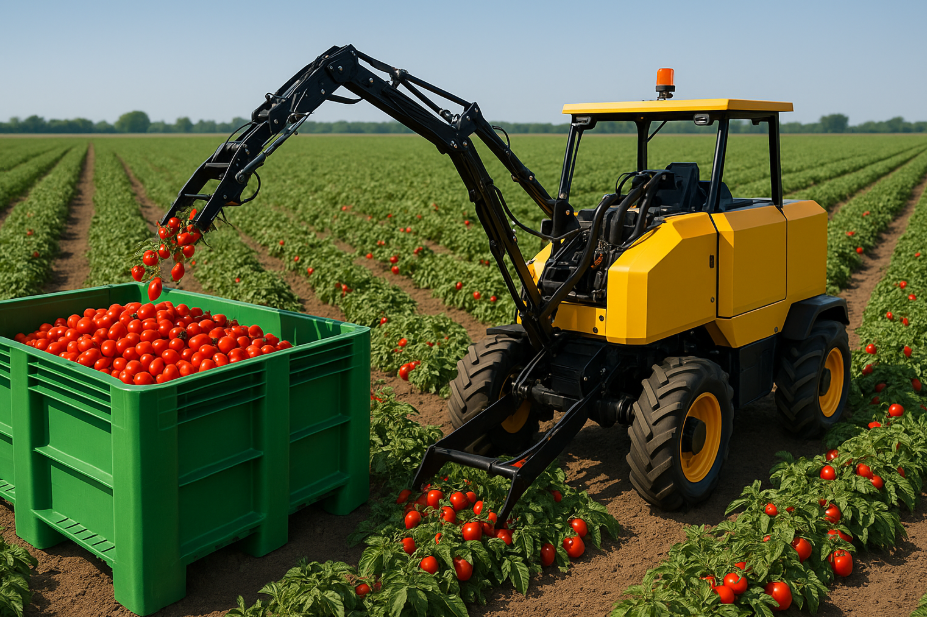
Labor shortages are a significant challenge in Indian agriculture. AI-powered robotic harvesters are addressing this issue by automating the crop collection process. These robots can detect ripe crops and harvest them with precision, reducing the need for manual labor and improving the efficiency of harvests.

The use of AI in harvesting is an innovation that promises to make farming more efficient and cost-effective.

AI in Supply Chain Management: Improving Efficiency

The agricultural supply chain in India is often plagued by inefficiencies. However, AI can optimize supply chain management by improving logistics, reducing spoilage, and tracking inventory in real-time. AI-based systems ensure that fresh produce reaches the market quickly and in the best condition, benefiting both farmers and consumers.

Companies like StarAgri are using AI to streamline their agricultural supply chains, ensuring farmers can maximize profits by reaching the market at the right time.

Real-Time Weather Forecasting: Managing Uncertainty

Weather plays a crucial role in farming, and AI-powered weather forecasting systems are helping farmers prepare for extreme weather events like floods, droughts, and storms. By providing hyper-local, real-time forecasts, AI helps farmers plan their crop cycles, irrigation schedules, and harvest times to mitigate the impacts of adverse weather conditions.

Farmers can make informed decisions about crop management and irrigation, thereby reducing the risk of crop loss due to unpredictable weather.

AI-Driven Market Price Forecasting: Maximizing Profits

Market prices fluctuate based on demand, supply, and other external factors. AI algorithms track these variables and forecast market prices for various crops. This allows farmers to decide when to sell their produce and how to price it for maximum profit. By staying ahead of market trends, AI helps farmers avoid price volatility and ensures they get the best returns.

StarAgri is one of the top agritech companies in India using AI to provide farmers with real-time price forecasting, helping them make strategic decisions about when to market their produce.

Conclusion: The Future of Indian Agriculture is AI-Driven

AI has immense potential to transform the Indian agriculture sector, addressing the long-standing challenges faced by farmers. From precision farming and smart irrigation to livestock management and market forecasting, the real-world applications of AI in Indian agriculture are helping farmers increase productivity, reduce costs, and become more sustainable.

StarAgri is at the forefront of this revolution, delivering innovative AI-driven solutions to farmers across India. By embracing AI, Indian farmers are not just adapting to the future—they’re actively shaping it.

FAQs

1. How is AI helping farmers in India?

AI helps farmers make better decisions by analyzing data related to weather, soil health, crop conditions, and market trends. It improves productivity, reduces input costs, and helps farmers manage risks more effectively.

2. What are the benefits of AI-powered precision farming?

Precision farming uses AI, sensors, and data analytics to optimize irrigation, fertilizer application, and crop management. This leads to higher crop yields, reduced resource wastage, and improved farm profitability.

3. Can AI detect crop diseases and pest infestations?

Yes. AI-powered tools can analyze images from drones, satellites, and smartphones to identify diseases, pests, and nutrient deficiencies at an early stage, allowing farmers to take timely corrective action and minimize crop losses.

4. How does AI improve agricultural supply chains?

AI enhances supply chain efficiency by forecasting demand, tracking inventory, optimizing logistics, and reducing post-harvest losses. This helps farmers and agribusinesses deliver produce to markets faster and more efficiently.

5. How is StarAgri using AI in agriculture?

StarAgri leverages AI through technologies such as satellite-based crop monitoring, weather intelligence, market forecasting, and data-driven farm analytics. These solutions help farmers improve productivity, manage risks, and make informed agricultural decisions.

Every year, Indian farmers produce millions of tonnes of food grains, pulses, oilseeds, and other agricultural commodities. But harvesting a crop is only half the battle. What happens after harvest can have a significant impact on both farmer incomes and the country’s food security.

Imagine a farmer harvesting a bumper crop, only to be forced into selling it immediately because there is no reliable storage facility nearby. With markets flooded during harvest season, prices often fall, leaving farmers with little choice but to accept lower returns.
This is where agricultural warehousing becomes essential.

Far more than just storage spaces, modern warehouses have evolved into critical infrastructure that helps preserve commodity quality, reduce post-harvest losses, support financing, and improve supply chain efficiency. As India’s agricultural sector continues to modernise, agricultural warehousing is emerging as one of the strongest pillars supporting growth across the value chain.

Why agricultural warehousing matters today

Agriculture remains one of India’s most important sectors, contributing significantly to employment and food security. According to the Ministry of Agriculture & Farmers Welfare, India’s total foodgrain production for the 2025–2026 agricultural year is estimated at a record-breaking 376.56 million metric tonnes (MMT). As production continues to grow, so does the need for reliable storage infrastructure.

agricultural warehousing

Without proper agricultural warehousing, farmers and supply chain participants face several challenges:

  • Quality deterioration during storage
  • Pest and moisture-related losses
  • Limited market flexibility
  • Pressure to sell immediately after harvest
  • Reduced profitability across the value chain

Scientific warehousing addresses these challenges by creating a safe and structured environment for commodity storage.

Moving beyond simple storage

Today’s agricultural warehousing facilities do much more than simply store commodities. Modern warehouses help ensure that commodities remain safe, traceable, and market-ready throughout storage.

Some of the key functions include:

  • Quality assessment and grading
  • Inventory tracking and management
  • Scientific pest control measures
  • Technology-enabled monitoring systems
  • Improved traceability and transparency

Together, these capabilities help preserve commodity quality while strengthening confidence across the agricultural supply chain.

Helping farmers avoid distress sales

One of the biggest advantages of agricultural warehousing is the flexibility it provides farmers.

During harvest season, commodity prices often soften because of increased supply. Farmers who lack storage facilities may be compelled to sell immediately, regardless of market conditions.

By storing produce in a warehouse, farmers can wait for more favourable prices before selling. This reduces pressure to make distress sales and creates opportunities for better price realisation.

In many cases, warehousing also enables access to finance against stored commodities, providing liquidity while allowing farmers to retain ownership of their produce.

Strengthening India’s agricultural supply chain

India’s agricultural value chain is becoming increasingly organised and technology-driven. From procurement and processing to exports and food manufacturing, every stage depends on efficient storage and movement of commodities. Agricultural warehousing serves as the backbone of this ecosystem by ensuring that commodities remain available year-round.

According to the Warehousing Development and Regulatory Authority (WDRA), the volume of commodities stored under the regulated warehousing ecosystem continues to grow, reflecting increasing trust in scientific storage infrastructure. As India’s food processing sector expands and export opportunities increase, the demand for modern warehousing is expected to grow significantly in the coming years.

How StarAgri supports agricultural warehousing

As one of India’s leading agribusiness infrastructure companies, StarAgri has been at the forefront of strengthening agricultural supply chains through warehousing and collateral management solutions.

The company operates an extensive network of 2,200+ warehouses across more than 380 locations in 19 Indian states and provides a range of services to support participants throughout the agricultural value chain.

StarAgri’s offerings include:

  • Scientific agricultural warehousing
  • Collateral management services
  • Commodity storage and monitoring
  • Quality assessment and certification
  • Inventory management solutions
  • Technology-enabled warehouse operations

By integrating warehousing with financing, risk management, and market linkages, StarAgri helps create a more efficient ecosystem for farmers, traders, processors, and financial institutions.

The future of agricultural warehousing in India

The future of Indian agriculture will depend not only on how much is produced but also on how effectively it is stored, financed, and distributed. Government initiatives, increasing private investment, digital warehouse receipts, and technology adoption are all driving the evolution of agricultural warehousing.

As farmers seek better returns, financial institutions expand commodity-based lending, and agribusinesses demand greater supply chain efficiency, warehousing will continue to play an increasingly important role.

Agricultural warehousing is gradually turning to preserving value, improving market access, enabling finance, and building a stronger agricultural ecosystem for the future. For a country as agriculturally significant as India, investing in agricultural warehousing is an essential step toward creating a more resilient and prosperous farming economy.

FAQs

  • What is agricultural warehousing?
    Agricultural warehousing refers to the scientific storage of agricultural commodities in facilities designed to preserve quality and reduce post-harvest losses.
  • Why is agricultural warehousing important for farmers?
    It helps farmers safely store produce, avoid distress sales, and potentially secure better prices by selling when market conditions are favourable.
  • How does agricultural warehousing reduce post-harvest losses?
    Warehouses provide controlled storage conditions, pest management, quality monitoring, and inventory management that protect commodities from spoilage and damage.
  • Can farmers get loans against stored commodities?
    Yes. Commodities stored in approved warehouses can often be used to access warehouse receipt financing or commodity-backed loans.
  • What services does StarAgri provide?
    StarAgri offers agricultural warehousing, collateral management, commodity storage, quality assessment, inventory management, and technology-enabled supply chain solutions.


Indian farmers are the backbone of the country’s food supply, working tirelessly despite challenges like rising costs, uncertain weather, and shrinking resources. Today, they face a key question: How can farm productivity increase without increasing input costs?
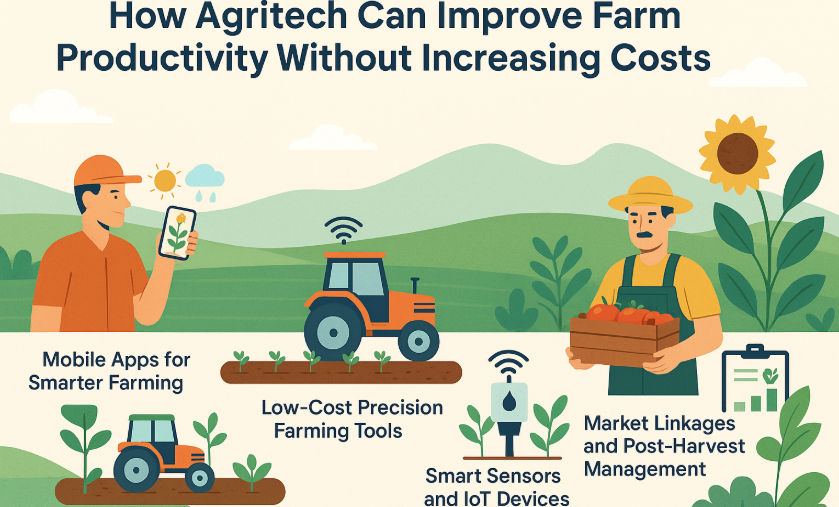
The answer lies in Agritech  the smart use of agricultural technology. Contrary to popular belief, Agritech isn’t just for large farms or wealthy growers. In fact, many modern solutions are designed to be affordable, accessible, and easy to use, even for small and marginal farmers.

This article explores how Agritech can help improve productivity in Indian agriculture while keeping farming costs under control. From mobile apps to precision tools and smart sensors, we’ll cover real-world solutions that make a real difference.

What Is Agritech?

Agritech, short for agricultural technology, refers to innovations that use science, data, and digital tools to solve farming problems. These include:

  • Weather prediction apps
  • Precision farming tools
  • Soil testing kits
  • Market intelligence platforms
  • Post-harvest management systems

Such technologies are helping farmers make smarter decisions, improve crop health, reduce input waste, and earn better incomes. Most importantly, many of these tools are low-cost or available through shared models making them suitable for all types of farms.

Why India Needs Agritech Now?

Farming has become more complex due to:

  • Climate change, causing unpredictable weather
  • High input prices for fertilizers, pesticides, and seeds
  • Labor shortages during critical seasons
  • Market fluctuations in crop prices

Traditional practices are no longer enough to deal with these challenges. Farmers need data-driven, efficient, and reliable solutions that improve yields without adding financial stress.

What Are the Benefits of Agritech?

The key benefits of agritech include improved farm productivity, lower input costs, better resource management, data-driven decision-making, enhanced crop monitoring, and improved market access. By using technologies such as mobile apps, precision farming tools, smart sensors, drones, and digital marketplaces, farmers can increase yields while keeping costs under control.

5 Benefits of Agritech That Improve Farm Productivity

Let’s explore how simple Agritech tools can make farming more productive, without requiring high investments.

1. Mobile Apps for Smarter Farming

farm fertiliser

Smartphones have reached even the most remote farming villages. Today, mobile apps offer:

  • Real-time weather forecasts
  • Crop protection advice
  • Pest and disease alerts
  • Seed and fertilizer recommendations
  • Local market price tracking

These tools empower farmers to take the right actions at the right time, improving both yield and quality. A simple weather alert can prevent unnecessary irrigation or spraying, saving both water and input costs.

2. Low-Cost Precision Farming Tools

Precision farming is about using inputs more accurately and efficiently. Affordable technologies include:

  • Soil health testing kits, which guides optimal fertilizer use
  • Seed drill attachments for uniform planting
  • Portable pH meters and nutrient analysers

These tools help avoid overuse of fertilizers and pesticides, reducing costs and minimizing environmental impact. Even small improvements in spacing or nutrient balance can result in higher yields and better crop health.

3. Smart Sensors and IoT Devices

crop farming

Affordable IoT (Internet of Things) devices are helping smallholder farmers monitor:

  • Soil moisture
  • Weather conditions
  • Pest presence
  • Crop growth stages

These smart sensors provide real-time data to farmers’ mobile phones. For example, a soil moisture sensor can help apply just the right amount of water, avoiding wastage and preventing crop stress.

4. Drones and Satellite Imaging (Available as a Service)

While owning a drone may be costly, many local service providers and cooperatives now offer drone services on rent. Farmers can use drones for:

  • Crop spraying
  • Aerial field surveys
  • Early disease or pest detection
  • Farm mapping

By sharing the service among groups or villages, costs come down significantly while the benefits remain high  such as better coverage, time saved, and reduced manual labor.

5. Market Linkages and Post-Harvest Management

Agritech is also transforming what happens after the harvest  an area where farmers often lose value due to poor infrastructure and middlemen.

Tech-enabled platforms now offer:

  • Storage and warehousing facilities
  • Quality grading and testing
  • Digital marketplaces and auctions
  • Real-time buyer connections
  • Access to loans and insurance

These systems ensure that farmers can sell their produce at the right time and right price, reducing waste and improving income without changing how they farm.

Real-Life Examples of Impact

Across India, thousands of farmers are already benefiting from Agritech without increasing their costs.

In Gujarat

Groundnut farmers began using mobile-based pest alerts and saved 20% on pesticide costs, while still increasing yield.

In Tamil Nadu

Banana growers adopted affordable irrigation timers connected to soil sensors. Water use dropped by 35%, and plant health improved noticeably.

In Uttar Pradesh

Smallholder wheat farmers formed a cooperative to share a rented drone. Their spraying costs dropped by half, and they saw faster disease control.

These examples prove that smart solutions don’t need to be expensive to be effective.

How to Adopt Agritech Without Spending More?

If you’re wondering how to get started, here are some practical tips to adopt Agritech affordably:

  1. Begin with mobile apps – Choose one for weather or crop guidance
  2. Get your soil tested – Many local agri centers offer this service at minimal cost
  3. Join or form a farmer group – Share sensors, drones, or testing kits
  4. Use local agricultural extension services – They often offer subsidized tools or training
  5. Connect with agri service providers – Many now offer pay-per-use models that reduce upfront investment

The key is to take small but smart steps. Even one technology change can lead to big improvements in farm efficiency and returns.

The Long-Term Benefits of Smart Farming

While initial changes might seem small, the long-term benefits of Agritech adoption are big:

  • Reduced input costs (fertilizers, water, pesticides)
  • Improved crop health and yields
  • Lower labor dependency
  • Faster response to pest and weather challenges
  • Better profits through quality and market access

Most importantly, smart farming helps build resilience against climate risks, which is crucial for future food security.

India’s Agritech Future Is Bright and Affordable

India is fast becoming a hub for agricultural innovation. With increasing digital access in rural areas and a rise in low-cost tech solutions, Agritech is no longer a luxury — it’s a necessity.

Farming is changing, and those who adapt early will lead the way. Whether you grow wheat in Punjab, pulses in Madhya Pradesh, or spices in Kerala — there are affordable tools to make your farm more productive and future-ready.

Partnering With Agritech Leaders

To make the most of these technologies, it helps to work with organizations that understand farming challenges and offer reliable solutions. At StarAgri, we are proud to be one of India’s leading Agritech firm, committed to empowering farmers through innovation and deep-rooted support. With our strong presence across agri-advisory, warehousing, post-harvest management, and market linkages, we help farmers increase productivity, reduce losses, and access better opportunities — all while keeping their costs in check. Our mission is to build a more efficient, transparent, and resilient agricultural ecosystem for India’s farming community.

You can also explore how the Ministry of Agriculture’s Digital Agriculture Mission is laying the groundwork for a farmer-centric digital ecosystem in India. The initiative aims to enhance productivity and improve farmer income through smart technologies and data-driven approaches.

FAQs

1. What is Agritech and how does it help farmers?
Agritech refers to the use of technology in agriculture to improve decision-making, increase productivity, reduce input waste, and enhance farm profitability.

2. Can small farmers afford Agritech solutions?
Yes. Many Agritech tools, such as mobile apps, soil testing services, and shared drone services, are affordable and designed for small and marginal farmers.

3. How does Agritech help reduce farming costs?
Agritech enables precise use of water, fertilizers, and pesticides, helping farmers avoid unnecessary expenses while maintaining or improving crop yields.

4. What are some examples of Agritech tools used in India?
Common examples include weather forecasting apps, soil testing kits, smart irrigation systems, IoT sensors, drones, and digital agricultural marketplaces.

5. How can farmers start using Agritech?
Farmers can begin with simple tools such as weather and crop advisory apps, soil testing services, and shared technology solutions available through cooperatives or agri service providers.