Tag Archives: collateral management

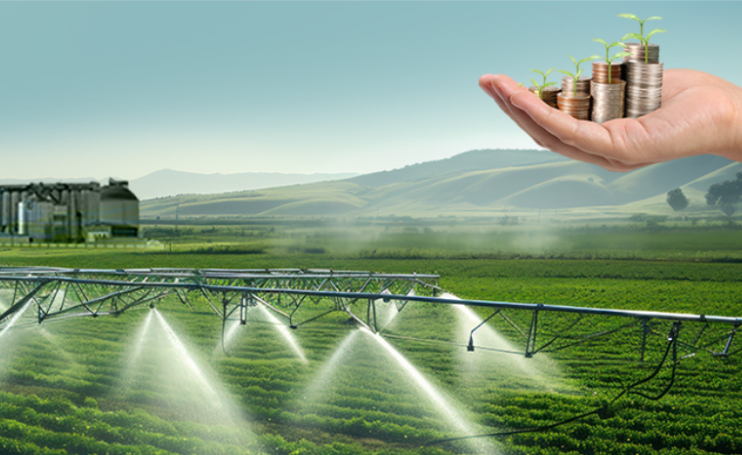
Agriculture is the cornerstone of India’s economy, contributing around 14% to the GDP, 13% to exports, and providing livelihood to nearly half of the population. Indian farmers play a vital role in nourishing the nation, showcasing immense potential for growth and productivity. However, accessing financial resources can often be challenging. This is where collateral management becomes a key enabler, acting as a bridge between farmers and financial institutions, ensuring seamless access to agri-finance. Through this vital function, STARAGRI is making remarkable strides in supporting farmers, helping them unlock their full potential and achieve sustainable growth.

What is Collateral Management in Agriculture?

Collateral management deals with the protection of risk and loss by banks and financial institutions about any amounts lent. In agriculture, this is characterized as pledging physical goods such as commodity or agricultural produce against the agri finance. This ensures that lenders have a safer side in case the borrower is unable to repay. In the context of agriculture, it includes:

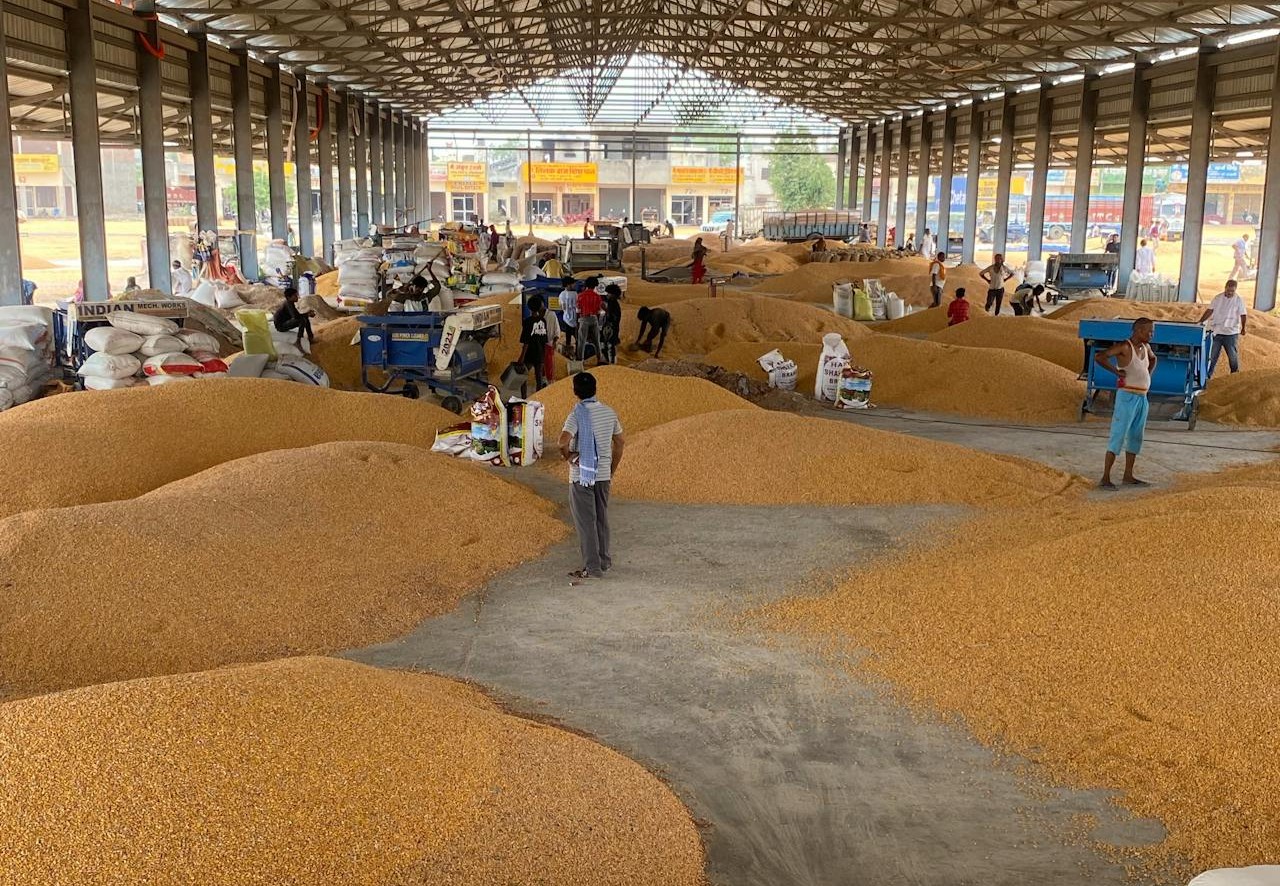
  • Safe storage of agri commodities in secure and certified warehouses.
  • Quality and quantity checks to ensure fair valuation.
  • Regular monitoring of the stored produce to protect them.

By effective collateral management, financial institutions can trust the value of the stored commodities, making it easier for them to finance the farmers.

Challenges Indian Farmers Face Without Collateral Management

  1. Limited Financing Options: Many farmers lack the documentation or fixed assets required for traditional finance.
  2. Post-Harvest Losses: Without proper storage, most of the farmers lose a significant portion of their produce, reducing their bargaining power.
  3. Market Price Volatility: Selling at cheapest prices due to immediate cash needs leads to reduced income.

How Collateral Management Can Help in Agri finance?

Collateral management plays a critical role in making agri finance more accessible to farmers. Here’s how:

  1. Ensuring Fair Valuation
    When farmers store their produce for long term in well-structured and professionally managed warehouses, they get fair and transparent pricing. This ensures they do not have to undervalue their commodity to secure finance.
  2. Timely Access and Instant Credit
    Farmers can get agri finance instantly without unnecessary delays, especially during critical times like sowing and harvesting.
  3. Reduced Dependency on unofficial Sources
    With better access to formal financial options, farmers can avoid high-interest financing from moneylenders.

Examples of collateral management in agriculture

  1.       Warehouse Receipt Financing in India

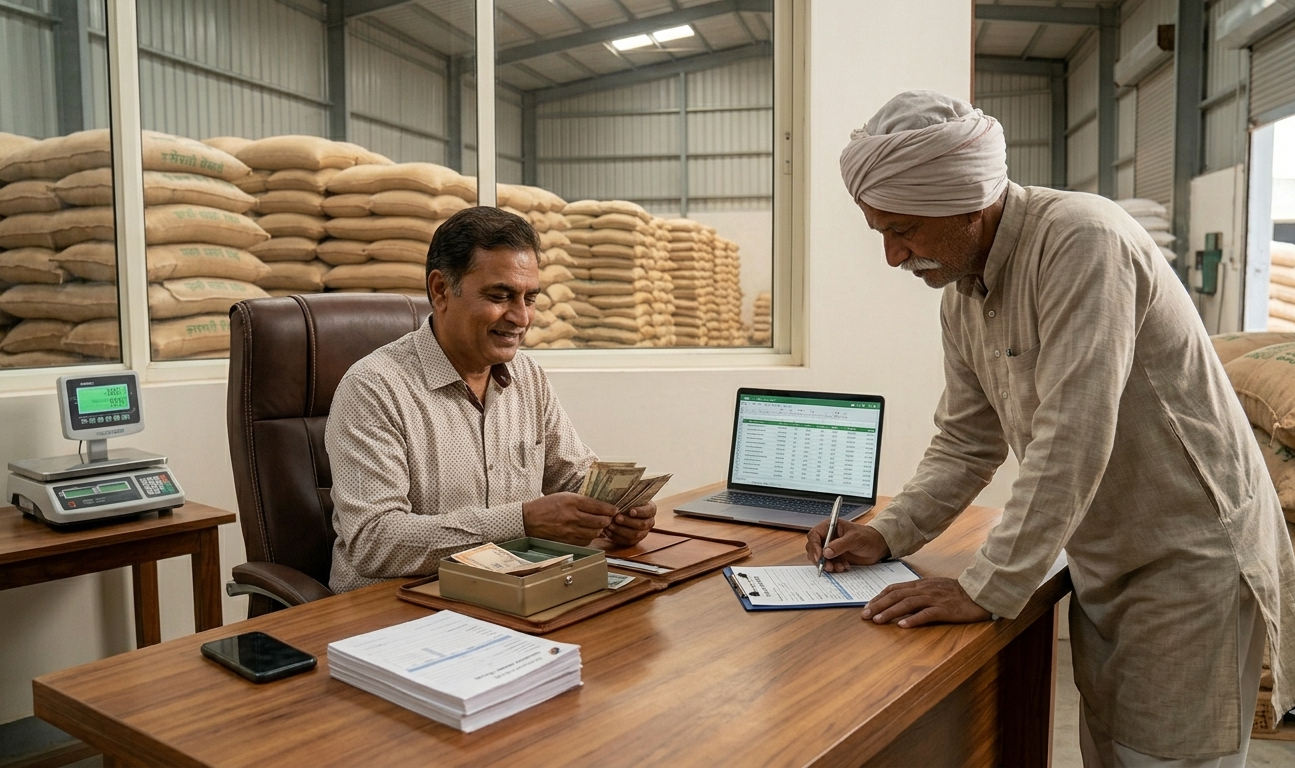
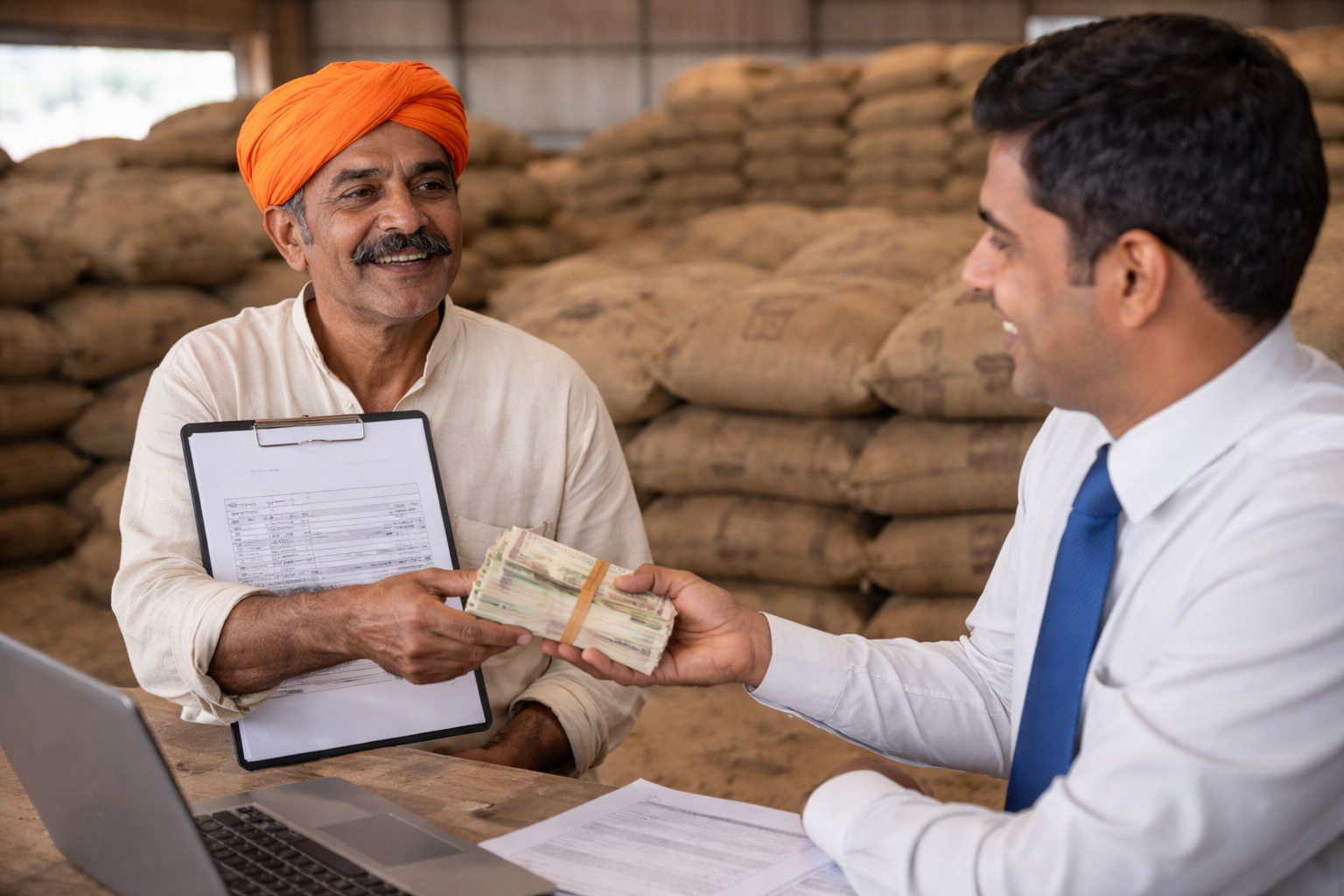
Suppose a farmer harvests agri commodities but does not want to sell them immediately due to low market prices. The farmer stores their agricultural produce in a certified warehouse operated by a collateral management company. The warehouse issues a Negotiable Warehouse Receipt (NWR) that certifies the quantity and quality of the stored commodity, by using the NWR as collateral, farmers can secure short-term finance from a bank or financial institution, to get immediate liquidity.

  1.       Seasonal Lending for Cash Crop Farmers

Farmers who grow cash crops like sugarcane or cotton always face cash flow issues between harvesting. To deal with this issue farmers can harvest and store their agricultural produce in a certified warehouse. Farmers, through their collateral, receive a warehouse receipt that can be used as collateral to secure agricultural financing from a bank or financial institution. By obtaining this financing, farmers gain immediate liquidity to cover operational expenses until the next planting or harvesting cycle.

  1.       Community Warehousing for Small Farmers

Small farmers need a secure place to store agricultural commodities but lack personal capacity for professional storage, A community storage is managed by a collateral management company. Farmers can store their produce and use pooled warehouse receipts to obtain financial solutions for group activities or individual needs. The warehouse ensures quality maintenance, enabling farmers to secure better market rates.

STARAGRI’s Collateral Management & Agri Finance Services

STARAGRI has been a trusted partner to farmers, providing top class collateral management and financing solutions. Here’s how STARAGRI is revolutionizing the agri finance sector:

  1. Advanced Warehousing
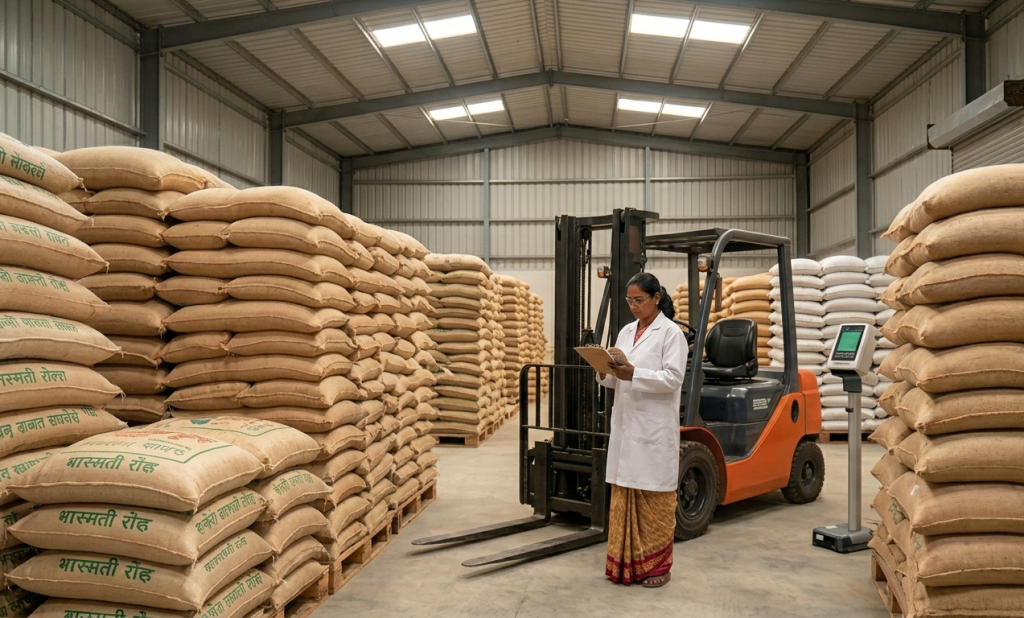
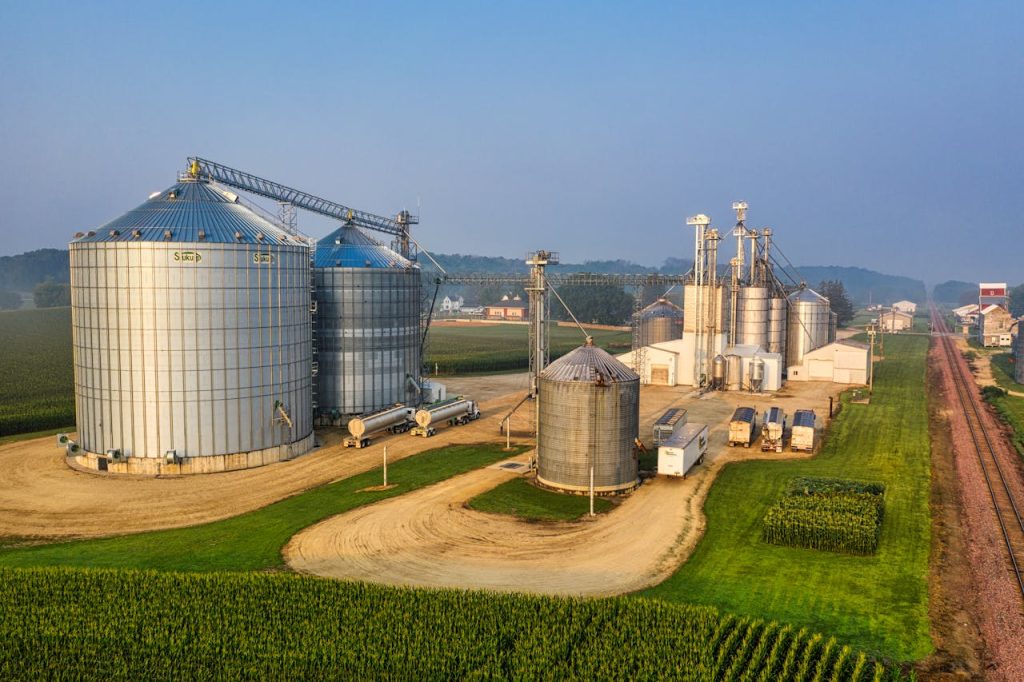
    Advanced warehousing plays a crucial role in improving collateral management by providing safe and secure storage for agricultural produce. When farmers store their commodities in STARAGRI’s scientifically designed warehouses, it ensures that the produce is protected from weather damage, pests, and theft. This secure storage increases the value of the collateral, as banks and financial institutions can have confidence in the condition of the assets. With safe storage, the risk to the financial institution is reduced, making it easier and faster for farmers to access financing based on the collateral they offer.
  2. Commodity Testing
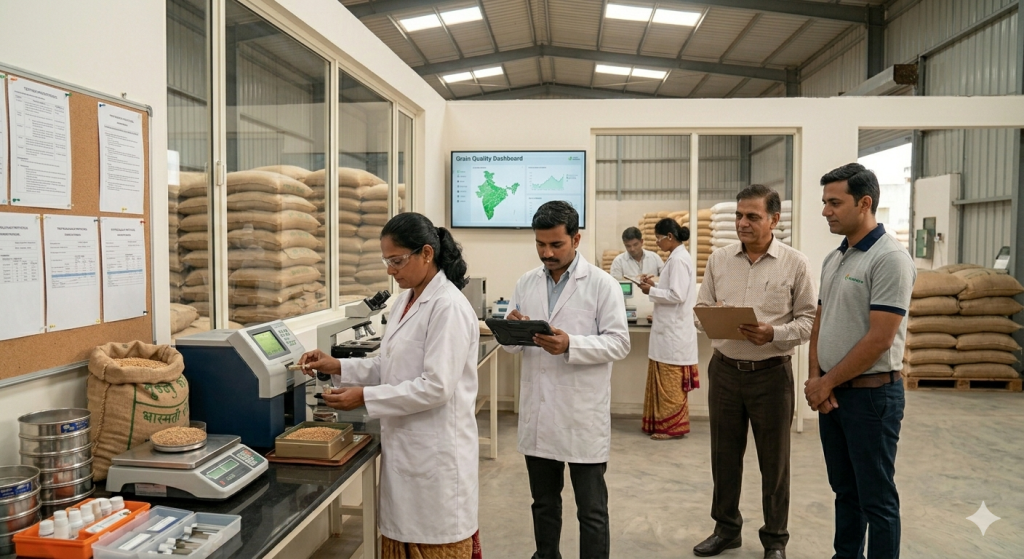
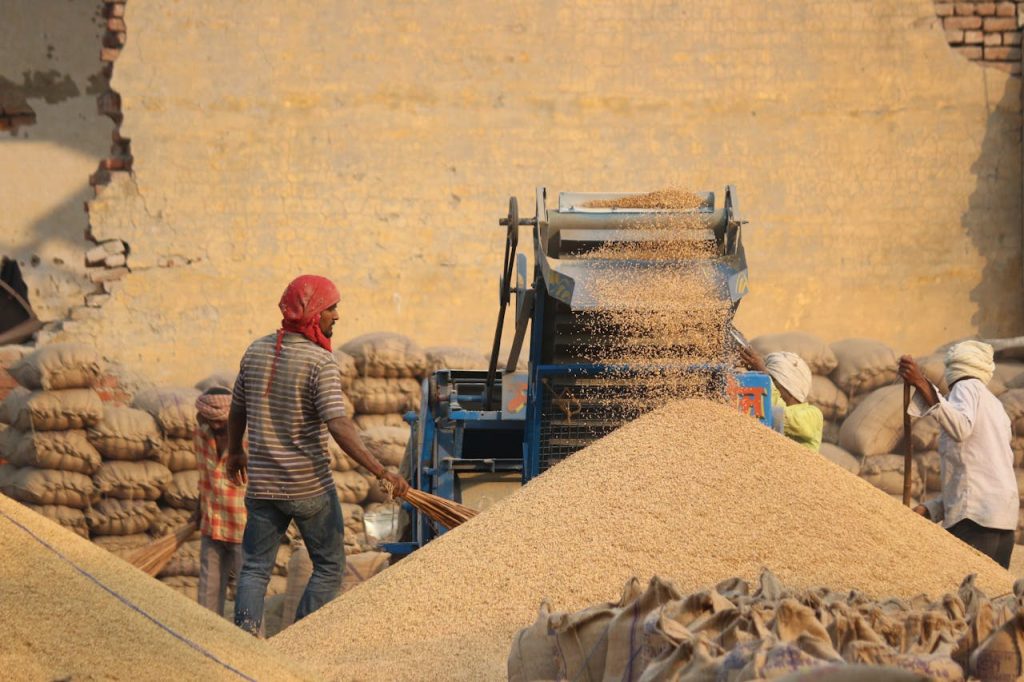
    Accurate commodity testing ensures the quality and proper valuation of the stored agricultural produce. By conducting rigorous checks through NABL-certified labs, STARAGRI helps establish the exact value of the collateral. This proper valuation gives both the farmers and financial institutions clarity, making it easier for the farmer to secure financing. When the collateral is accurately tested and valued, it builds trust with financial institutions and reduces the risk associated with the loan process, facilitating smoother collateral management.
  3. Streamlined Collateral Management
    STARAGRI simplifies collateral management by helping farmers connect easily with banks and financial institutions. This reduces paperwork, accelerates the loan approval process, and ensures a faster turnaround time. By streamlining the process, STARAGRI makes it easier for farmers to use their stored produce as collateral and receive financing. This efficiency in collateral management leads to quicker access to funds, enabling farmers to invest in their operations without delays.
  4. End-to-End Support
    STARAGRI’s end-to-end support provides comprehensive assistance at every step of collateral management. From the secure storage of agricultural produce to the monitoring of its quality and even facilitating financing, STARAGRI ensures that the entire process is well managed. This holistic approach to collateral management guarantees that the value of the collateral is maintained throughout its storage period, and farmers receive the necessary support to unlock the value of their stored produce through financing. This full support system adds an extra layer of security, making it easier for both farmers and financial institutions to manage collateral effectively.

Benefits for Farmers

StarAgri offers advantages in services like collateral management and agri finance:

  • Safe Storage: Farmers don’t have to worry about their produce getting damaged or stolen.
  • Better Financing Terms: Secure storage and fair valuation lead to better financial deals.
  • Reduced Post-Harvest Losses: Proper management of storage facilities ensures that farmers retain the maximum value from their commodity.
  • Financial Literacy: STARAGRI educates farmers about the importance of financial planning and availing collateral for growth.

The Future of Agri Finance

With advancements in technology, the future of collateral management and agri finance looks promising. Digital tools like real-time monitoring, blockchain for transparency, and AI powered assessment systems are fast-tracking these processes which are intended to be quick and more reliable. STARAGRI is at the forefront of adopting these innovations to empower Indian farmers.

As India’s agricultural sector grows, the demand for robust collateral management services will increase. STARAGRI stands firmly to bridge the gap between farmers and financial institutions so that farming as a community can have a brighter prospect.

Conclusion

Collateral management is not just about securing the finance; it is about empowering farmers with financial stability and growth opportunities. With its expert services, STARAGRI is helping farmers access much-needed credit, reduce post-harvest losses and unlock their true potential.

If you are a farmer looking for reliable collateral management or a financial institution looking for secure solutions, STARAGRI is here to help.


Agriculture is the backbone of many economies, and a venture of uncertainties, unstable prices in the market, uncertain weather, and seasonal liquidity often leave farmers with a cash crunch. Credit can be a welcome relief, but getting it is not always that simple, particularly when conventional lenders insist on fixed assets. But wait.. there’s another option!

Agricultural commodities serve as good financial instruments, functioning as collateral to secure credit. This allows farmers and agricultural businesses to take credit without necessarily selling their produce immediately, giving them a stronger grip on money and market decisions. So, what commodities make good collateral? Let’s explore key categories that financial institutions commonly accept.

What Types of Agricultural Commodities Are Accepted as Collateral?

1. Cereal Grains

Cereal grains are one of the most widely accepted forms of collateral due to their long shelf life, high demand, and relatively stable market prices. These grains are essential food staples globally, making them reliable assets for securing credits. Key grains used as collateral include:

  • Wheat – A fundamental crop with large-scale global consumption, wheat remains a safe and widely accepted commodity in collateral management.
  • Rice – Rice, as a staple food, is important, especially in Asian and African markets.
  • Maize (Corn) – Used for human consumption, animal feed, and industrial applications.
  • Barley – Important for brewing and animal feed, the dual-purpose nature of barley increases its collateral value.

2. Pulses and Legumes

Pulses and legumes are high-protein, nutrient-rich crops widely traded and stored, making them ideal collateral assets. Their global demand for direct consumption and food processing strengthens their appeal in agricultural financing. Notable examples include:

  • Lentils – Lentils and Pulses, which are included in the diet in many areas, are easy to store and have stable market demand.
  • Chickpeas – Consumed in various forms worldwide, gram is highly valued in local and international markets.
  • Beans (Kidney Beans, Black Beans, etc.) – Popular globally.
  • Peas – A key ingredient in processed foods and livestock feed.

3. Oilseeds

Oilseeds are highly valuable commodities because they are crucial in edible oil production, animal feed, and industrial applications. These crops have strong market demand and are commonly accepted as collateral:

  • Soybean – A globally traded crop with diverse applications, soybean is a highly liquid asset.
  • Rapeseed & Mustard Seeds – There is a constant demand for these seeds used in oil production in the market.
  • Groundnuts (Peanuts) – Valued for oil production and direct consumption as snacks.
  • Sunflower Seeds – Valued for oil extraction, sunflower seeds are reliable collateral commodities.

4. Spices and Cash Crops

High value crops with stable market demand and long shelf life make excellent collateral options. These include:

  • Turmeric – A spice widely used in food and traditional medicine.
  • Black Pepper – A valuable commodity with international demand.
  • Cardamom – A premium spice primarily grown for export markets.
  • Coffee & Cocoa – Essential cash crops that are major players in global trade and have consistently high value.

5. Cotton and Other Fiber Crops

Cotton and other fiber crops, especially those essential to the textile industry, are widely accepted as collateral because of their long storage life and steady demand. Key examples include:

  • Raw Cotton – Has a stable market due to demand from the textile industry.
  • Jute – Jute is a valuable secondary asset used in packaging, handicrafts, and durable products.

6. Horticultural Produce (Under Controlled Conditions)

Though perishability limits their collateral use, certain horticultural products can be used as collateral if stored in controlled environments like cold storage facilities. Examples include:

  • Onions & Potatoes – Can be stored for extended periods.
  • Apples & Citrus Fruits – When preserved in cold storage, these fruits retain value and market demand.
  • Tea & Coffee – High value crops with long shelf lives and global market importance.

agri financing

The Role of Collateral Management in Agri Financing

Collateral management is essential in agricultural financing, as it converts valuable agricultural assets into secured collateral. This strategic process reduces risk for lenders by ensuring stored commodities maintain their quality and market value. At the same time, it empowers farmers and agribusinesses to unlock liquidity, improve cash flow, and access better credit terms. Transparent asset valuation and diligent risk assessment promote sustainable growth in the agriculture sector. Strong collateral management practices foster innovation and ensure long-term financial stability in a dynamic market—a winning lead.

Conclusion

Access to finance is essential for the growth and sustainability of agriculture. Farmers and traders can use agricultural commodities as collateral to unlock financing opportunities, increase operational flexibility, and address seasonal cash flow challenges. As collateral management services evolve, this form of financing will continue to empower the agricultural sector, driving growth and resilience in rural economies.

FAQs

1. What are agricultural commodities used as collateral?

Agricultural commodities used as collateral are farm produce such as grains, pulses, oilseeds, cotton, spices, and other stored crops that can be pledged to secure financing. These commodities help farmers and agribusinesses access credit without immediately selling their produce.

2. Why are cereal grains commonly accepted as collateral?

Cereal grains such as wheat, rice, maize, and barley are widely accepted because they have a long shelf life, strong market demand, and relatively stable prices. These characteristics make them reliable assets for lenders.

3. How does collateral financing benefit farmers?

Collateral financing allows farmers to obtain working capital while retaining ownership of their produce. This helps them manage cash flow, avoid distress sales, and sell their commodities when market prices are more favorable.

4. Can perishable agricultural products be used as collateral?

Yes, certain perishable commodities such as potatoes, onions, apples, and citrus fruits can be used as collateral if they are stored in appropriate cold storage facilities that help preserve their quality and value.

5. What is the role of collateral management in agricultural financing?

Collateral management ensures that pledged commodities are properly stored, monitored, and valued throughout the financing period. This reduces risk for lenders while helping farmers and agribusinesses access credit more efficiently and on better terms.

For a long time, agricultural finance in India followed a fairly predictable pattern. Farmers harvested crops, sold produce, repaid loans, and restarted the cycle for the next season. But agriculture today is far more interconnected than it used to be. Commodities now move through complex networks of traders, processors, exporters, warehouses, and logistics providers before reaching the final buyer.

And that’s changing the way agricultural finance works.

Instead of viewing commodities as stock waiting to be sold, the industry is increasingly seeing them as financial assets that can unlock liquidity, improve cash flow, and support faster business cycles. This shift is giving rise to something that’s becoming increasingly important in Indian agriculture, commodity-linked working capital.

In simple terms, businesses are now using stored agricultural commodities to access financing, manage liquidity better, and operate with greater flexibility.

Why traditional agricultural lending is no longer enough

Traditional crop loans will always remain important. But today’s agricultural economy has grown much bigger than just cultivation finance.

Think about the different players involved now:

  • traders managing inventory across states,
  • processors purchasing commodities in bulk,
  • exporters handling volatile global demand,
  • and agri MSMEs trying to maintain continuous working capital cycles.

All of them need liquidity. And in many cases, they need it before the final sale happens.

That’s where commodity-linked financing becomes useful. Instead of waiting for inventory to be sold, businesses can use stored commodities to unlock funds and keep operations moving smoothly. This shift is happening alongside the rapid growth of India’s logistics and warehousing ecosystem.

According to IMARC Group, India’s logistics market reached USD 243.8 billion in 2025, with third-party logistics (3PL) accounting for nearly 48% of the market share. The sector is expected to continue growing strongly over the coming years.

The agricultural supply chain is becoming larger, faster, and far more organised than before.

crop testing

Warehouses are no longer just storage spaces

One of the biggest changes in agriculture is the evolving role of warehousing.

Earlier, warehouses were mainly seen as places to store commodities temporarily. Today, they are becoming a critical financial infrastructure.

Why?

Because organised warehousing creates:

  • better inventory visibility,
  • improved quality control,
  • stronger collateral security,
  • and easier access to financing.

This is especially important in commodities like:

  • grains
  • pulses
  • cotton
  • oilseeds
  • spices
  • export-oriented crops

When commodities are stored in organised facilities, lenders gain greater confidence around quantity, quality, and traceability. That makes financing much easier and more structured.

India’s warehousing sector itself is expanding rapidly.

According to CBRE, warehousing absorption in India crossed 30 million sq. ft. during H2 2025, driven heavily by 3PL, manufacturing, and supply chain demand.

The message is becoming clear: warehousing is not just operational infrastructure. It’s financial infrastructure, too.

Why quality and traceability matter more now

Commodity financing works only when trust exists across the supply chain. A lender financing stored commodities needs assurance that:

  • the stock actually exists,
  • the quality matches declared standards,
  • and the inventory is being managed properly.

That’s why quality testing, digital inventory systems, and collateral management are becoming increasingly important in modern agricultural trade.

This is also one of the reasons organised agritech infrastructure is gaining momentum in India. Businesses today want more visibility, faster verification, and reduced operational uncertainty.

Technology is playing a huge role here. Digital tracking, warehouse monitoring, quality testing, and integrated logistics systems are helping make agricultural trade more transparent and financially efficient.

working capital loan

The rise of integrated agritech infrastructure

As agricultural supply chains become more structured, businesses are increasingly looking for integrated ecosystems instead of isolated services. They want:

  • warehousing,
  • collateral management,
  • logistics,
  • quality testing,
  • and trade facilitation working together seamlessly.

This is where companies like StarAgri are helping reshape the ecosystem.

With over 2200 warehouses, a storage capacity exceeding 5 million metric tonnes, and operations across 380+ locations, StarAgri has built infrastructure that supports both commodity movement and financial enablement. Its collateral management operations currently support an AUM exceeding ₹170 billion across more than 110 commodities.

At the same time, its network of 13 NABL-certified laboratories helps improve quality assurance and trade confidence across the supply chain.

The larger industry trend here is important. Agriculture is slowly moving away from fragmented, disconnected systems toward more integrated and financially active supply chains.

India’s agricultural trade is becoming more dynamic

Agricultural trade today is no longer just about buying low and selling high. Businesses are increasingly focused on:

  • inventory efficiency,
  • faster liquidity cycles,
  • risk management,
  • and supply chain visibility.

This is especially relevant as India’s agricultural exports continue growing and supply chains become more formalised.

Commodity-linked working capital is helping businesses operate more strategically. Instead of inventory sitting idle, it can now support financing, improve cash flow, and create operational flexibility.

And this shift is likely to grow stronger over the next few years.

As warehousing, logistics, financing, and agritech infrastructure continue evolving together, India’s agricultural economy is becoming more connected, more visible, and far more financially efficient than before.

In many ways, the future of agricultural trade may not just depend on production volumes but on how intelligently commodities move through the supply chain.

FAQs

  • What is commodity-linked working capital?
    Commodity-linked working capital allows businesses to access financing against stored agricultural commodities instead of waiting for final sales.
  • Why are warehouses becoming important in agricultural finance?
    Organised warehouses improve inventory visibility, quality assurance, and collateral security, making financing more reliable and structured.
  • Which commodities commonly use inventory-backed financing?
    Grains, pulses, cotton, oilseeds, spices, and export-oriented commodities are among the most commonly financed categories.
  • How does quality testing help the agricultural trade?
    Quality testing improves trust between buyers, sellers, and lenders by ensuring standardisation and traceability of commodities.
  • Why is integrated agritech infrastructure gaining importance?
    Integrated systems combining warehousing, logistics, quality testing, and financing help businesses improve efficiency, reduce risk, and manage working capital more effectively.


What happens to a crop after it leaves the farm? It’s a simple question, but one that defines the efficiency, profitability, and sustainability of India’s entire agricultural ecosystem.
Because growing food is only half the story. Moving it, storing it, preserving its quality, and financing it, that’s where the real complexity begins.

And increasingly, that complexity is being solved by technology.

The Invisible Backbone of Agriculture

India’s total food grain production has reached record levels, with the 2024-25 agricultural year estimated at over 3,540 lakh tonnes (354 million tonnes), highlighting a consistent upward trend. Despite this scale, inefficiencies in logistics and storage continue to cause significant losses.

India loses approximately 22% of its food grain output annually, amounting to around 74 Million Tonnes. These post-harvest losses (PHL) are largely due to inadequate storage, logistics, and handling, amounting to an economic loss of ₹1.53 trillion (USD 18.5 billion) annually.

So the question is: where does it all go wrong?

A large part of the challenge lies in fragmented supply chains, inadequate storage infrastructure, and limited visibility across the movement of goods. This is where logistics and warehousing become critical not just as support functions, but as the backbone of agricultural supply chains.

warehouse india

From Traditional Warehouses to Smart Infrastructure

For decades, warehousing in agriculture has been largely static, focused on physical storage with limited technological intervention. But today, that’s changing rapidly.
Modern warehouses are evolving into data-driven, tech-enabled hubs that do far more than just store commodities. They are becoming centres for:

  • Real-time inventory tracking
  • Quality monitoring
  • Risk management
  • Integrated financing

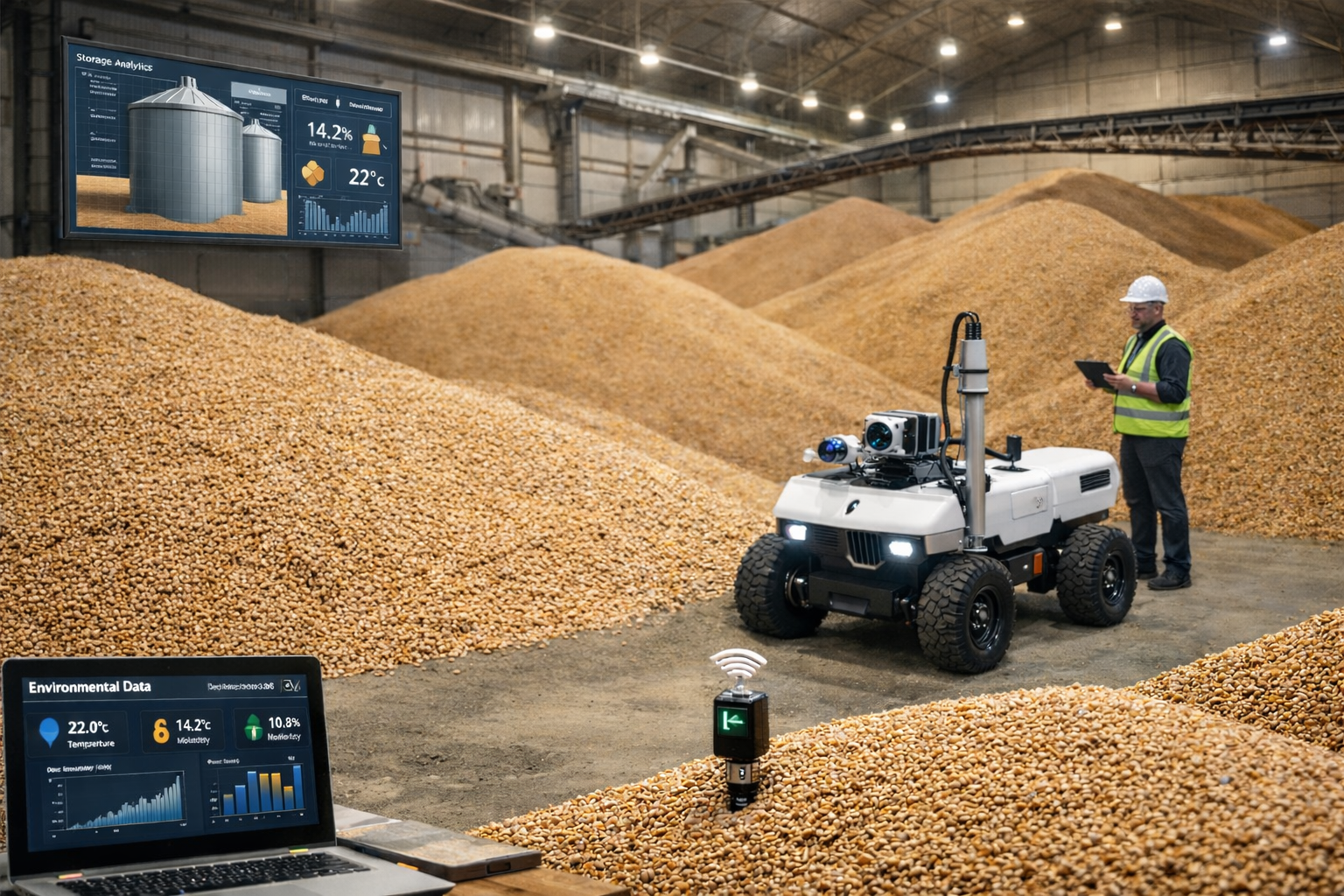
Technologies such as IoT sensors, digital inventory systems, and data analytics are enabling stakeholders to monitor stock levels, reduce spoilage, and optimise storage utilisation, redefining how agricultural commodities are managed.

Why Technology Matters More Than Ever

Agriculture operates under constant uncertainty: weather fluctuations, price volatility, and demand-supply mismatches. In such an environment, visibility and control become critical.
Technology brings both.

  • Real-Time Tracking: Stakeholders can track inventory movement and availability across locations
  • Quality Assurance: Sensors and monitoring tools help maintain storage conditions
  • Data Integration: Seamless flow of information between farmers, warehouses, traders, and financiers
  • Operational Efficiency: Reduced manual processes and faster decision-making

The global smart warehousing market size is projected to reach USD 40.5 billion by 2028, at a CAGR of 14.6% during the forecast period. India’s agri sector is now catching up, fast.

warehouse technology

StarAgri: Enabling Tech-Driven Agri Infrastructure & Beyond

StarAgri has been playing a key role in building and managing agricultural supply chain infrastructure across India. But what sets it apart is its focus on integrating technology into traditional warehousing and logistics systems. Instead of viewing warehousing as just storage, StarAgri approaches it as a platform for efficiency, transparency, and financial enablement.

If warehousing is the foundation, technology is what connects and elevates the entire system.

At StarAgri, the focus goes beyond storage to build an integrated, tech-enabled ecosystem that supports commodities across their lifecycle.

  • Collateral Management: Through standardised processes, digital documentation, and real-time monitoring, StarAgri ensures that stored commodities are secure and finance-ready. This reduces risk and builds confidence for lenders and borrowers alike.
  • Star Labs: With scientific testing and standardised grading, Star Labs brings consistency and transparency to commodity quality, ensuring that what’s stored is accurately assessed and trusted.
  • Procurement: Tech-enabled procurement systems help connect farmers to markets more efficiently, improving traceability, price discovery, and supply reliability.
  • Logistics: Integrated logistics ensures smooth transportation across the supply chain, reducing delays, minimising losses, and improving operational efficiency.
  • Digital Integration: From storage to finance, every layer is digitally connected, enabling real-time visibility, better decision-making, and a more transparent ecosystem.

Building the Future of Agri Supply Chains

As India continues to modernise its agricultural ecosystem, the role of logistics and warehousing will only become more critical. As the future will be built on infrastructure, it will also be built on intelligent infrastructure.

  • Warehouses will not just store goods; they will generate data.
  • Logistics networks will not just move commodities; they will enable visibility.
  • And supply chains will not just connect stakeholders; they will empower them.

So, what happens to a crop after it leaves the farm? Increasingly, it enters a system that is becoming smarter, faster, and more connected.

With technology at its core, organisations like StarAgri are helping transform India’s agri logistics and warehousing ecosystem, turning traditional infrastructure into engines of efficiency and growth.

In modern agriculture, where success is about how much you produce, it is also about how well you manage everything that comes after.

FAQs

  • What role does logistics play in India’s agricultural supply chain?
    Logistics is critical in ensuring that agricultural produce moves efficiently from farms to markets. It directly impacts quality, pricing, and availability, making it a key factor in reducing post-harvest losses and improving supply chain efficiency.
  • How is technology transforming agri warehousing in India?
    Technology enables real-time inventory tracking, quality monitoring, and data-driven decision-making. Modern warehouses are evolving into smart infrastructure that improves transparency, reduces losses, and enhances operational efficiency.
  • What services does StarAgri offer beyond warehousing?
    StarAgri offers a comprehensive ecosystem including collateral management, quality testing through Star Labs, procurement services, and integrated logistics, creating a seamless agri supply chain solution.
  • What is collateral management and why is it important?
    Collateral management ensures that stored commodities are securely monitored, quality-verified, and documented, making them eligible for financing. It builds trust between borrowers and lenders while reducing credit risk.
  • How does StarAgri support farmers and agri businesses?
    By integrating infrastructure, technology, and finance (through agribazaar and Agriwise), StarAgri enables better storage, efficient market access, and easier access to credit, supporting stakeholders across the value chain.

Disclaimer

The content published on this blog is provided solely for informational and educational purposes and is not intended as professional or legal advice. While we strive to ensure the accuracy and reliability of the information presented, StarAgri make no representations or warranties of any kind, express or implied, about the completeness, accuracy, suitability, or availability with respect to the blog content or the information, products, services, or related graphics contained in the blog for any purpose. Any reliance you place on such information is therefore strictly at your own risk. Readers are encouraged to consult qualified agricultural experts, agronomists, or relevant professionals before making any decisions based on the information provided herein. StarAgri, its authors, contributors, and affiliates shall not be held liable for any loss or damage, including without limitation, indirect or consequential loss or damage, or any loss or damage whatsoever arising from reliance on information contained in this blog. Through this blog, you may be able to link to other websites that are not under the control of StarAgri. We have no control over the nature, content, and availability of those sites and inclusion of any links does not necessarily imply a recommendation or endorsement of the views expressed within them. We reserve the right to modify, update, or remove blog content at any time without prior notice.


Once the harvest is done and the produce reaches a warehouse, it often feels like the job is complete.

The crop is safe, protected from weather and spoilage, and ready for sale.

But if you pause for a moment, there’s an interesting question here: Is that stored commodity just sitting there… or can it actually do more?

Because in today’s agricultural ecosystem, storage isn’t just about holding stock. Increasingly, it’s also about unlocking value from that stock.

And that’s where collateral management comes into the picture.

Storage Solves One Problem. Liquidity Is Another.

Warehousing has always been an important part of agriculture. It helps preserve quality, reduce losses, and manage supply across seasons.

But even with proper storage in place, one challenge remains – access to timely funds.

For many farmers and traders, the situation looks something like this:

  • Harvest arrives, and supply in the market increases
  • Prices are relatively low during this period
  • Immediate expenses like repayments, operations, and procurement still need to be managed

This often leads to early selling, even when waiting could result in better prices.

At a broader level, the scale of agriculture makes this even more relevant:

  • India produced 357 million tonnes in 2025
  • At the same time, 78 million tonnes of food are wasted in India every year due to inefficiencies

So while production is strong, the way commodities are managed after harvest still has a big impact on value realisation.

So, What Changes with Collateral Management?

Collateral management essentially allows stored commodities to be used as a basis for accessing finance.

Instead of selling immediately, a farmer or trader can:

  • Store the commodity in a verified warehouse
  • Have it assessed and documented properly
  • Use it to access credit from financial institutions

This changes the role of storage quite significantly. The commodity becomes something that can support liquidity when it’s needed.

Some of the practical benefits include:

  • The ability to wait for better market prices
  • Improved cash flow management during key cycles
  • More structured and secure lending for financial institutions

It’s a fairly simple shift in concept, but it has a meaningful impact on how agricultural trade functions.

Why This Is Becoming More Relevant Now

Agriculture today is becoming more structured than before.

There is increasing focus on:

  • Organized warehousing
  • Transparent supply chains
  • Better integration between trade and finance

As these elements come together, the need to connect physical commodities with financial systems becomes more important.

Collateral management sits right at this intersection.

It helps bring a level of structure and confidence into the system, both for borrowers and lenders, by ensuring that the underlying asset (the commodity) is properly managed.

The Role of Technology in Making This Work

One reason collateral management is gaining more traction now is the use of technology.

Earlier, risks around storage quality, stock verification, and monitoring made lenders cautious.

Today, that’s changing with systems such as:

  • Digital inventory tracking, providing real-time visibility of stock
  • IoT-based monitoring, helping track storage conditions
  • Structured audit and reporting systems, ensuring consistency
  • Risk management frameworks, reducing uncertainty for lenders

These tools make the entire process more transparent and reliable. They also help scale the model across larger geographies and volumes.

How StarAgri Supports Collateral Management

As this ecosystem evolves, companies like StarAgri play a key role in making on-the-ground collateral management practical and dependable.

StarAgri’s approach combines infrastructure, processes, and financial enablement, ensuring that stored commodities can be effectively used within formal financial systems.

Its offerings include:

  • Scientific Warehousing Infrastructure: Warehouses are managed using standardised storage practices designed to maintain quality across different commodities and conditions.
  • End-to-End Collateral Management Services: This includes warehouse onboarding, stock verification, documentation, and ongoing monitoring, ensuring that commodities are properly assessed and recorded.
  • Inventory Monitoring and Risk Management: With structured systems in place, stock is continuously tracked and managed, providing visibility and reducing risk for lenders.
  • Support for Warehouse Receipt Financing: By enabling warehouse receipts to serve as collateral, StarAgri helps farmers, traders, and businesses access working capital without an immediate sale.
  • Process-Driven Operations and Compliance: Standard operating procedures and audit frameworks ensure consistency, transparency, and trust across all stakeholders.

Taken together, these services help create a system where storage is also financially meaningful.

Looking Ahead

As agriculture continues to evolve, the focus is gradually shifting from just production to how value is managed after production. Collateral management is a part of that shift. It doesn’t change how crops are grown. But it does change how they are used, financed, and monetised.

And as this system becomes more structured, the role of integrated players like StarAgri becomes increasingly important, bringing together storage, monitoring, and financial enablement to make the entire process more reliable and accessible.

FAQs

  1. What is collateral management in agriculture?
    Collateral management is the process of storing commodities in verified warehouses so they can be used as security to access loans.
  2. How does collateral management benefit farmers and traders?
    It helps them access funds without selling immediately, allowing better price realisation and improved cash flow management.
  3. What is warehouse receipt financing?
    It is a financing method where loans are provided against warehouse receipts issued for stored commodities.
  4. How does technology improve collateral management?
    Digital tracking, IoT monitoring, and real-time reporting improve transparency, reduce risks, and ensure better inventory control.
  5. How does StarAgri support collateral management?
    StarAgri provides scientific storage, inventory monitoring, risk management, and enables access to finance through structured collateral management services.

Disclaimer

The content published on this blog is provided solely for informational and educational purposes and is not intended as professional or legal advice. While we strive to ensure the accuracy and reliability of the information presented, StarAgri make no representations or warranties of any kind, express or implied, about the completeness, accuracy, suitability, or availability with respect to the blog content or the information, products, services, or related graphics contained in the blog for any purpose. Any reliance you place on such information is therefore strictly at your own risk. Readers are encouraged to consult qualified agricultural experts, agronomists, or relevant professionals before making any decisions based on the information provided herein. StarAgri, its authors, contributors, and affiliates shall not be held liable for any loss or damage, including without limitation, indirect or consequential loss or damage, or any loss or damage whatsoever arising from reliance on information contained in this blog. Through this blog, you may be able to link to other websites that are not under the control of StarAgri. We have no control over the nature, content, and availability of those sites and inclusion of any links does not necessarily imply a recommendation or endorsement of the views expressed within them. We reserve the right to modify, update, or remove blog content at any time without prior notice.


Today, effectively handling agricultural produce after harvest is just as important as growing it. That’s where commodity management takes centre stage, ensuring that what farmers produce is stored safely, valued precisely, financed efficiently, and connected to markets transparently. For organisations like StarAgri, this isn’t merely a service: it’s a strategic mission that supports farmers, traders, lenders, and agribusinesses across the value chain.

“According to the PHDCCI report, the foodgrain warehousing storage market is projected to grow from ₹37,336 crore in 2025-26 to ₹43,953 crore by 2030-31, driven by rising procurement needs, expanding PPP silo projects, and an active private warehousing industry.”

The next decade will witness major adoption of high-end technologies such as IoT-enabled climate monitoring, automated grain quality labs, blockchain-based traceability systems, and digital twins for predictive maintenance. These advancements will be critical to building a resilient, efficient agri-logistics backbone for India’s “Viksit Bharat @ 2047” vision.

The idea of commodity management goes beyond simple storage to include quality assurance, financing support, inventory monitoring, digitised market linkages, and deep data insights, all integrated to maximise value and minimise risk. In this article, we explore why commodity management matters, how StarAgri delivers it, and why it’s increasingly critical for modern agriculture.

What is commodity management in agriculture?

Commodity management refers to a set of services that help agricultural produce move from farm storage to market sale in the most efficient, secure, and value-accretive way possible. It covers physical storage, quality control, documentation, financing, and trade facilitation, orchestrating all elements that drive value realisation for stored agricultural commodities.

In India, this role has gained prominence due to persistent post-harvest losses and fragmented storage systems. A robust commodity management system can help reduce waste, improve market access, and unlock financial opportunities tied to stored produce.

Why commodity management isn’t just storage

Traditionally, warehousing was often limited to storing goods until they were sold. But modern commodity management services are far more strategic:

  • They ensure quality and quantity assurance, helping stakeholders trust stored inventory.
  • They enable collateral-linked financing, unlocking liquidity against stored produce.
  • They provide market and data insights, equipping farmers and traders with price trends and risk indicators.
  • They integrate technology and transparency for buyers, lenders, and storage operators.

With India’s warehousing industry projected to reach nearly USD 35 billion by 2027, propelled by digital adoption and modern logistics infrastructure, tech-enabled commodity management is becoming a critical differentiator across the value chain. (StarAgri)

How StarAgri’s commodity management services stand out

StarAgri began in 2006, focused on agri-warehousing and collateral management, and has since expanded into one of India’s most trusted integrated agri-services platforms. It now operates a pan-India network of over 2,200 scientific warehouses, with a total capacity of more than 5MMT, serving farmers, traders, processors, and institutional clients alike. (StarAgri)

Here’s how StarAgri’s commodity management services help agriculture stakeholders:

  • Scientific Warehousing & Storage: Before any agricultural commodity enters a warehouse, it undergoes quality and quantity testing. StarAgri’s facilities maintain pest-controlled environments, fumigation processes, and advanced inventory tracking, safeguarding produce and maintaining integrity throughout storage. (StarAgri)
  • Collateral Management: Stored commodities can become powerful financial assets. By partnering with over 24 leading banks and financial institutions, StarAgri enables institutions to extend credit against warehouse-receipted commodities, backed by systematic verification and documentation. This helps farmers and traders access financing without distress sales. (StarAgri)
  • Agri Financing solutions: Beyond warehouse receipt financing, StarAgri’s integrated services, through subsidiaries like Agriwise Finserv, help stakeholders unlock liquidity at competitive rates. The goal is to ensure more stakeholders have access to structured credit linked to real, quality-verified inventory. (StarAgri)
  • Market insights & Data-driven support: Commodity management today also means leveraging data. Through digital tools and platforms such as Agribazaar, stakeholders receive actionable insights on price movements, demand-supply dynamics, quality trends, and market outlooks, enabling smarter decisions across storage, finance, and trade. (StarAgri)
  • Technology-enabled transparency: With advanced tracking systems, IoT monitoring, and digital platforms, StarAgri ensures visibility into inventory conditions and transaction history, creating greater trust among lenders, buyers, and sellers.

Real-world impact and industry validation

StarAgri’s growth trajectory underpins the increasing relevance of structured commodity management. In FY25, the company reported 55% revenue growth, with cumulative warehouse receipt-backed financing of ₹1.5 lakh crore and credit disbursements of ₹9,000 crore. Its utilisation across warehousing infrastructure continues to expand alongside digital adoption. These figures underscore that commodity management services are not niche offerings; they are foundational to modern agricultural finance and trade. As more stakeholders expect liquidity, quality assurance, and seamless trade pathways, structured services like those offered by StarAgri become indispensable.

The future of commodity management

As agriculture markets evolve, commodity management will continue to expand in both scope and sophistication:

  • Digital marketplaces will connect surplus inventory with demand more efficiently.
  • Tech-driven analytics will help predict quality changes, demand surges, and pricing anomalies.
  • AI and IoT innovations will elevate how inventory is monitored and valued in real time.

For StarAgri, the ambition is to enable comprehensive, transparent, and accessible commodity management solutions that help agricultural stakeholders thrive, whether markets are stable or volatile.

Conclusion

Commodity management is more than storage. It’s a value-creation engine that turns harvested crops into economic opportunities. In an era where markets move fast and stakeholders need liquidity and insight, structured and tech-enabled services are no longer optional.
With its integrated approach to warehousing, financing, quality assurance, and market insights, StarAgri is helping redefine what commodity management means for Indian agriculture, transforming stored harvests into empowered decisions and profitable outcomes. By making commodity management accessible, reliable, and transparent, companies like StarAgri are shaping the way agricultural value is preserved and realised in 2025–26 and beyond.

FAQs

  • What are commodity management services in agriculture?
    Commodity management services include scientific storage, quality assurance, collateral management, financing support, and market insights that help agricultural produce retain value from harvest to sale.
  • How is commodity management different from traditional warehousing?
    While traditional warehousing focuses only on storage, commodity management integrates storage with quality control, financing, documentation, risk management, and market intelligence to maximise value and reduce losses.
  • Why is commodity management important for farmers and traders?
    It enables stakeholders to avoid distress sales, access warehouse-linked finance, monitor quality, and make informed selling decisions based on market trends and price movements.
  • How does technology improve commodity management services?
    Digital inventory tracking, IoT monitoring, and data analytics enhance transparency, reduce operational risks, and provide real-time visibility into stored commodities.
  • How does StarAgri support commodity management?
    StarAgri provides integrated services, including scientific warehousing, collateral management, agri-finance solutions, and market insights, creating a structured ecosystem that strengthens agricultural trade and liquidity.

Disclaimer

The content published on this blog is provided solely for informational and educational purposes and is not intended as professional or legal advice. While we strive to ensure the accuracy and reliability of the information presented, StarAgri make no representations or warranties of any kind, express or implied, about the completeness, accuracy, suitability, or availability with respect to the blog content or the information, products, services, or related graphics contained in the blog for any purpose. Any reliance you place on such information is therefore strictly at your own risk. Readers are encouraged to consult qualified agricultural experts, agronomists, or relevant professionals before making any decisions based on the information provided herein. StarAgri, its authors, contributors, and affiliates shall not be held liable for any loss or damage, including without limitation, indirect or consequential loss or damage, or any loss or damage whatsoever arising from reliance on information contained in this blog. Through this blog, you may be able to link to other websites that are not under the control of StarAgri. We have no control over the nature, content, and availability of those sites and inclusion of any links does not necessarily imply a recommendation or endorsement of the views expressed within them. We reserve the right to modify, update, or remove blog content at any time without prior notice.