
Indian agriculture has long been the backbone of the nation’s economy, providing livelihoods to millions of farmers. However, challenges such as unpredictable weather patterns, resource management, labor shortages, and fluctuating crop yields have made it harder for farmers to meet the growing demands of the population.
Enter Artificial Intelligence (AI), a transformative tool that is changing the agricultural landscape. From improving crop yield to enhancing resource efficiency, AI is helping farmers make better decisions with data-driven insights.
In this blog, we will explore the real-world applications of AI in agriculture and how leading agritech companies like StarAgri are integrating AI technologies to revolutionize farming practices.
Precision Farming: Maximizing Crop Yield with Data
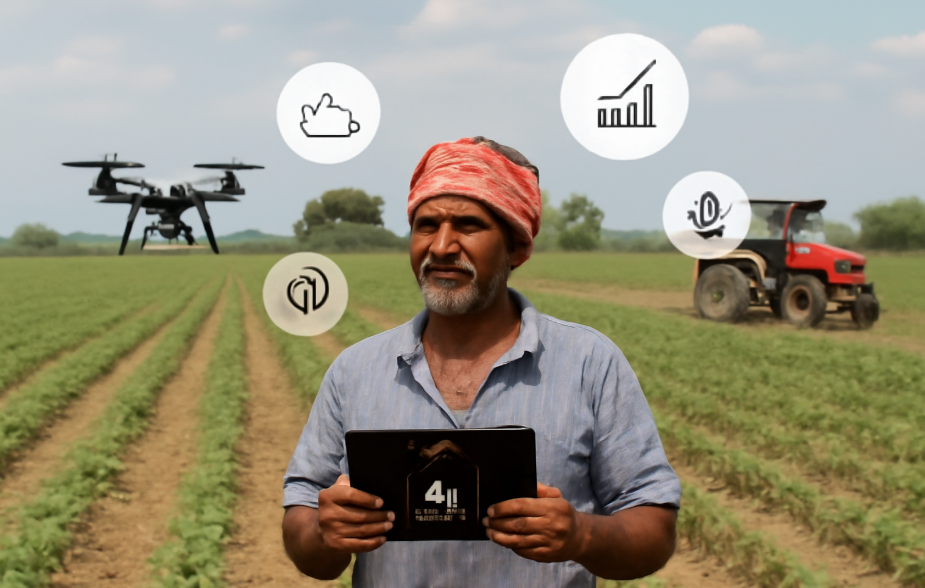
AI-driven precision farming has emerged as a game-changer in agriculture. By using data from sensors, drones, and weather forecasts, AI helps farmers monitor soil conditions, optimize irrigation, and apply fertilizers and pesticides more efficiently.
This technology ensures that water, fertilizers, and other resources are used optimally, reducing waste and boosting crop health. AI-powered solutions are helping farmers across India make informed decisions, leading to better yields.
AI-Powered Drones for Crop Monitoring
Drones equipped with AI are providing farmers with high-resolution images and real-time data of their crops. These drones can identify issues like diseases, pest infestations, and nutrient deficiencies from above, enabling early detection and intervention. This prevents crop loss and reduces the need for harmful chemicals.
For instance, StarAgri uses satellite imagery to monitor crop health, allowing farmers to address issues proactively and minimize the risk of widespread damage.
Smart Irrigation: Saving Water, Boosting Efficiency
With India’s water resources becoming increasingly scarce, efficient irrigation is more critical than ever. AI-powered smart irrigation systems use data from sensors to monitor soil moisture levels and weather conditions in real-time. By delivering water only when necessary, these systems reduce water wastage, leading to cost savings and improved crop health.
AI ensures that farmers in water-scarce regions of India can still thrive without overusing precious resources.
Pest and Disease Management: Early Detection
AI tools analyze visual data from crops and compare them with vast databases to detect pests, diseases, or even nutrient deficiencies early on. By identifying issues before they spread, AI helps farmers take immediate action, preventing crop loss and minimizing the use of pesticides.
Predictive Analytics: Forecasting Crop Yields
AI is also being used to forecast crop yields based on a variety of factors such as weather patterns, soil conditions, and historical data. These predictions allow farmers to plan ahead, manage their resources efficiently, and avoid market fluctuations.
AI-driven predictive models ensure farmers know when to harvest and how to price their produce, thereby securing higher profits.
Livestock Monitoring: Enhancing Animal Health
AI isn’t just transforming crop farming, it’s also improving livestock management. By monitoring the health, behavior, and productivity of livestock, AI systems help farmers ensure animal well-being and increase productivity. Through wearable sensors and AI algorithms, livestock conditions are tracked in real time, enabling early intervention when health issues arise.
In India, where livestock farming is a vital part of rural agriculture, AI provides valuable insights into animal welfare, reducing losses and improving productivity.
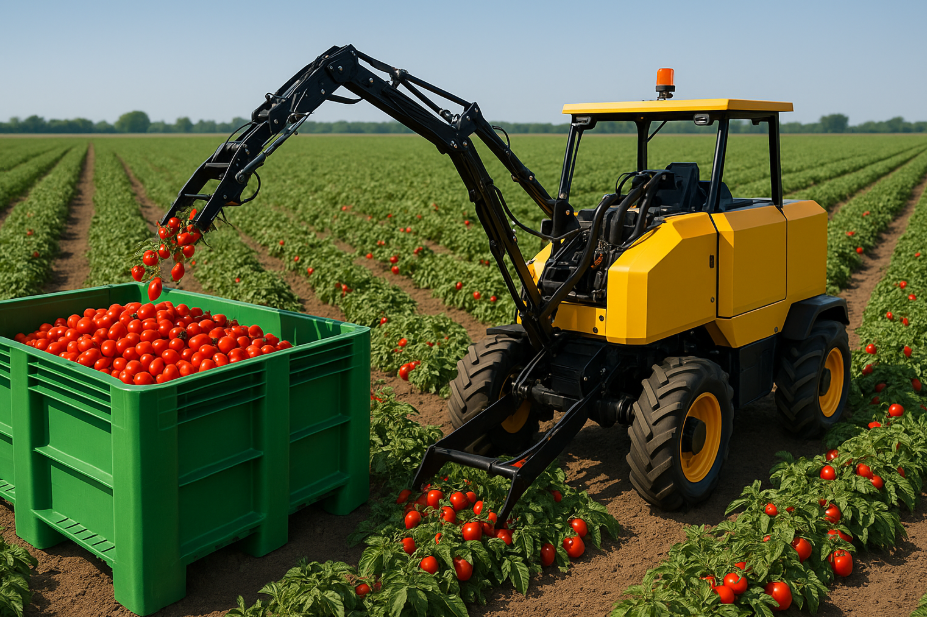
Automated Harvesting: Reducing Labor Costs
Labor shortages are a significant challenge in Indian agriculture. AI-powered robotic harvesters are addressing this issue by automating the crop collection process. These robots can detect ripe crops and harvest them with precision, reducing the need for manual labor and improving the efficiency of harvests.
The use of AI in harvesting is an innovation that promises to make farming more efficient and cost-effective.
AI in Supply Chain Management: Improving Efficiency
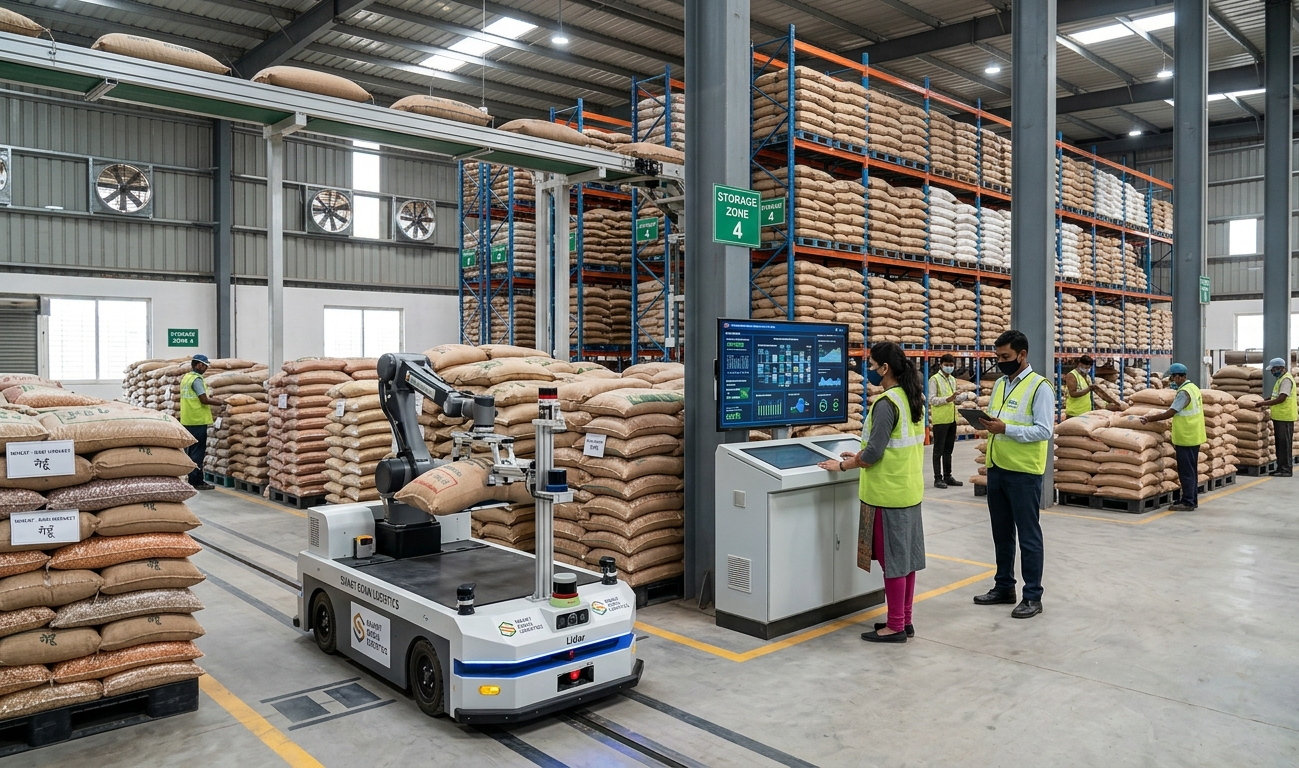
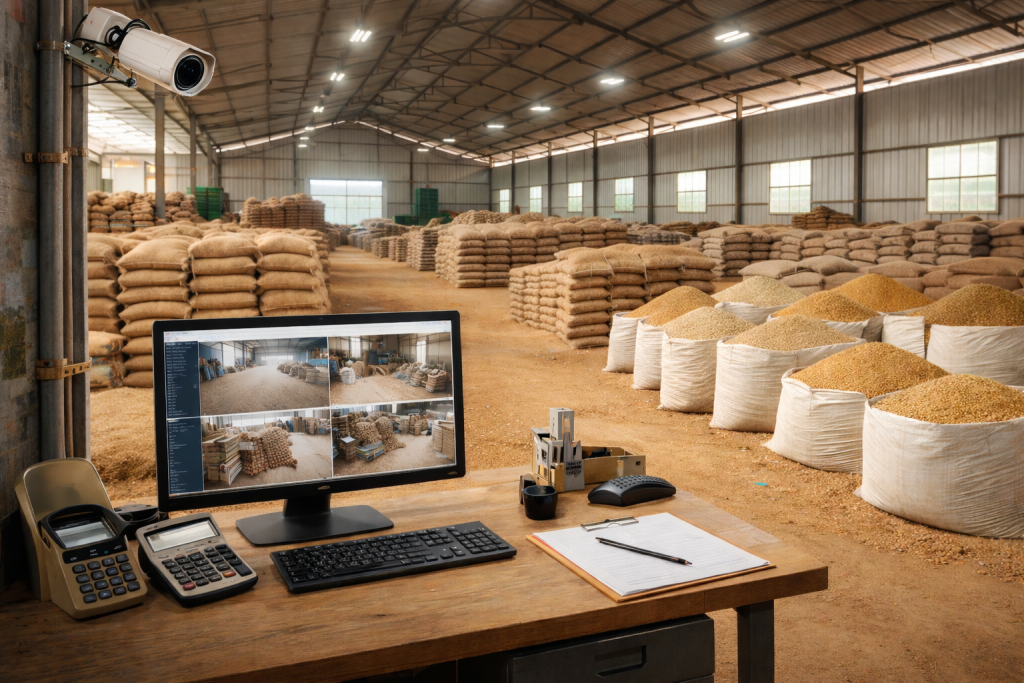
The agricultural supply chain in India is often plagued by inefficiencies. However, AI can optimize supply chain management by improving logistics, reducing spoilage, and tracking inventory in real-time. AI-based systems ensure that fresh produce reaches the market quickly and in the best condition, benefiting both farmers and consumers.
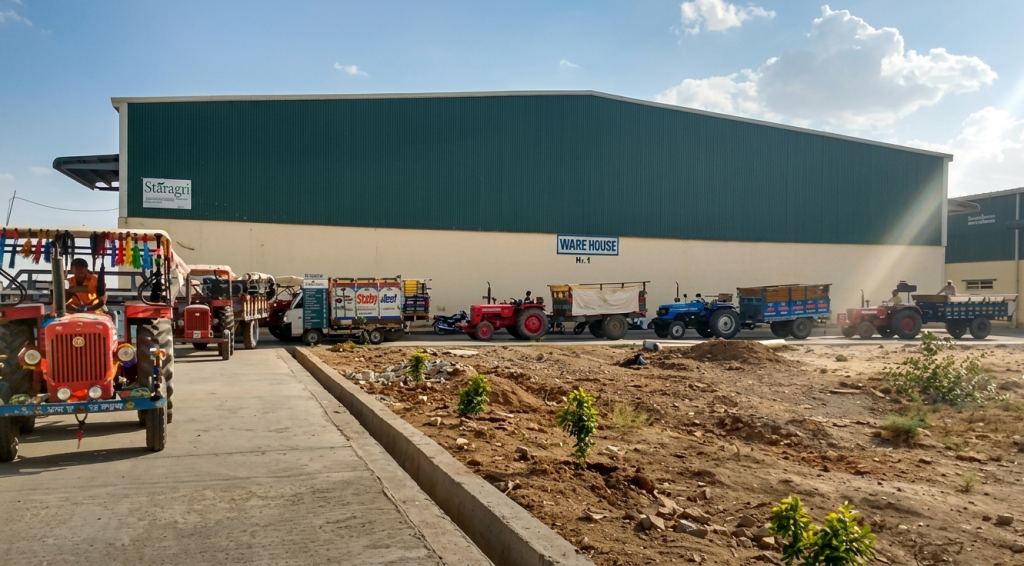
Companies like StarAgri are using AI to streamline their agricultural supply chains, ensuring farmers can maximize profits by reaching the market at the right time.
Real-Time Weather Forecasting: Managing Uncertainty
Weather plays a crucial role in farming, and AI-powered weather forecasting systems are helping farmers prepare for extreme weather events like floods, droughts, and storms. By providing hyper-local, real-time forecasts, AI helps farmers plan their crop cycles, irrigation schedules, and harvest times to mitigate the impacts of adverse weather conditions.
Farmers can make informed decisions about crop management and irrigation, thereby reducing the risk of crop loss due to unpredictable weather.
AI-Driven Market Price Forecasting: Maximizing Profits
Market prices fluctuate based on demand, supply, and other external factors. AI algorithms track these variables and forecast market prices for various crops. This allows farmers to decide when to sell their produce and how to price it for maximum profit. By staying ahead of market trends, AI helps farmers avoid price volatility and ensures they get the best returns.
StarAgri is one of the top agritech companies in India using AI to provide farmers with real-time price forecasting, helping them make strategic decisions about when to market their produce.
Conclusion: The Future of Indian Agriculture is AI-Driven
AI has immense potential to transform the Indian agriculture sector, addressing the long-standing challenges faced by farmers. From precision farming and smart irrigation to livestock management and market forecasting, the real-world applications of AI in Indian agriculture are helping farmers increase productivity, reduce costs, and become more sustainable.
StarAgri is at the forefront of this revolution, delivering innovative AI-driven solutions to farmers across India. By embracing AI, Indian farmers are not just adapting to the future—they’re actively shaping it.
FAQs
1. How is AI helping farmers in India?
AI helps farmers make better decisions by analyzing data related to weather, soil health, crop conditions, and market trends. It improves productivity, reduces input costs, and helps farmers manage risks more effectively.
2. What are the benefits of AI-powered precision farming?
Precision farming uses AI, sensors, and data analytics to optimize irrigation, fertilizer application, and crop management. This leads to higher crop yields, reduced resource wastage, and improved farm profitability.
3. Can AI detect crop diseases and pest infestations?
Yes. AI-powered tools can analyze images from drones, satellites, and smartphones to identify diseases, pests, and nutrient deficiencies at an early stage, allowing farmers to take timely corrective action and minimize crop losses.
4. How does AI improve agricultural supply chains?
AI enhances supply chain efficiency by forecasting demand, tracking inventory, optimizing logistics, and reducing post-harvest losses. This helps farmers and agribusinesses deliver produce to markets faster and more efficiently.
5. How is StarAgri using AI in agriculture?
StarAgri leverages AI through technologies such as satellite-based crop monitoring, weather intelligence, market forecasting, and data-driven farm analytics. These solutions help farmers improve productivity, manage risks, and make informed agricultural decisions.